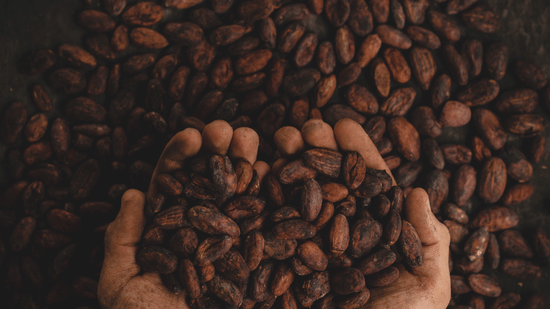
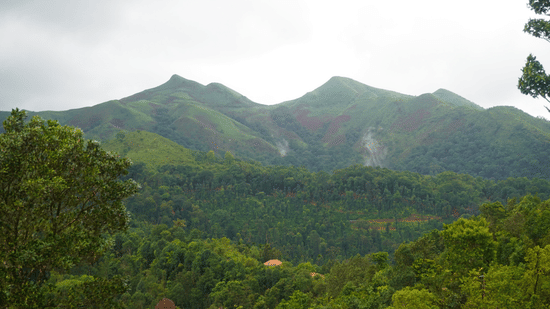

The story of Indian coffee begins in Mocha, the Yemeni port whose name became synonymous with coffee and the trade that carried it across the world. It was here that Baba Budan, a Sufi saint returning from his pilgrimage to Mecca, encountered coffee and decided to bring it home. Baba Budan concealed 7 of them against his stomach and carried them across the Arabian Sea. The seeds survived the journey and reached the hills of Karnataka, where he planted them on the slopes where he lived. The range would later take his name, becoming known as Baba Budan Giri.
From these first plants, coffee began to spread through the surrounding district. For decades, it remained a garden crop, grown in small patches alongside pepper and other spices, its presence woven into the existing landscape rather than cultivated on a commercial scale. It would take another 100 years before commercial planting began to transform these hills into a significant coffee-growing region.
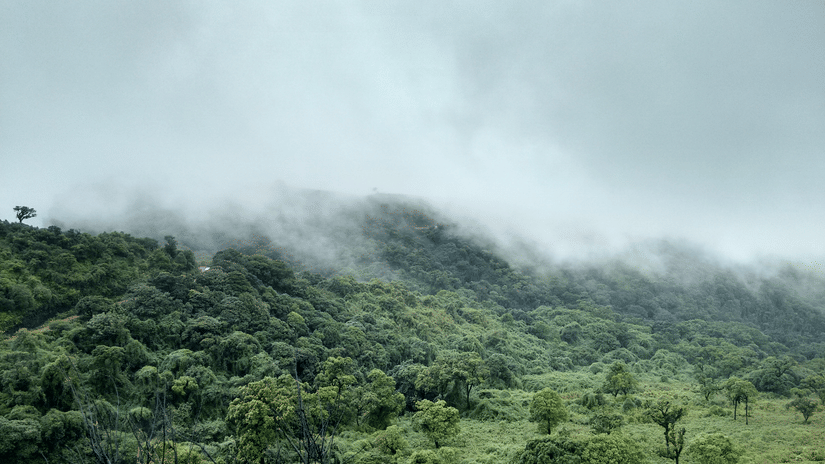

17th Century: The first coffee crop is grown in the Baba Budan Giri range, from 7 seeds brought through Mocha.
18th Century: Commercial plantations begin as British entrepreneurs push cultivation out of garden plots into the forest terrain.
1925: Organised research begins at the Mysore Coffee Experiment Station near Balehonnur, set up by the erstwhile state government.
1942: The Coffee Act VII of 1942 creates a national board to regulate, research, and market the crop.
Present Day: Chikmagalur Arabica earns a Geographical Indication tag, protecting the district's name on export markets.
Why Chikmagalur is Called the Coffee Capital of India
The title rests on precedence and on volume, and Chikmagalur has a defensible claim to both. India's first coffee was cultivated here, which no other district in the country can claim. The Coffee Board records roughly 37,000 hectares of Arabica in the district and 23,000 under Robusta. Those holdings together yield around 29,000 and 30,000 tonnes respectively in an average growing season.
Together with neighbouring Kodagu, this district accounts for close to 70% of everything India grows. That concentration is why the phrase ‘coffee capital of India’ attaches itself to Chikmagalur.
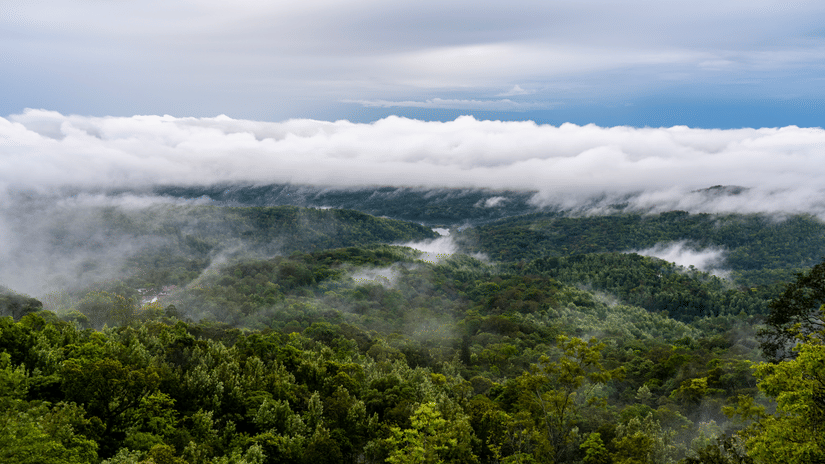
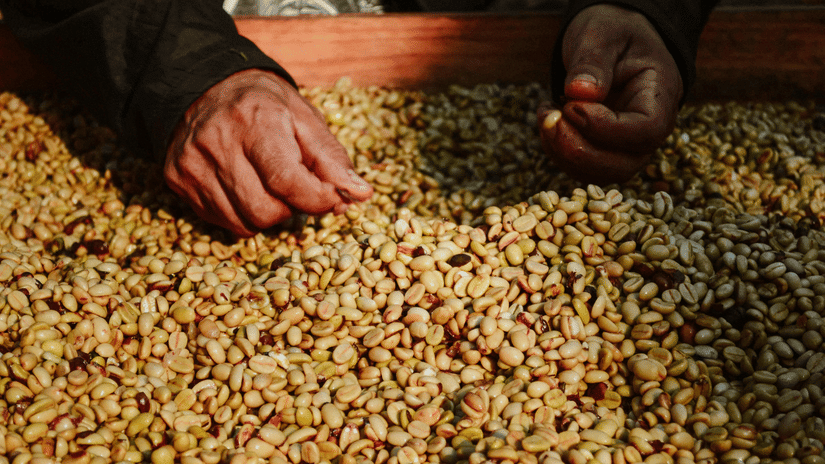
To explore how Arabica and Robusta differ in elevation, flavour, and final processing, read our blog on coffee plantations in India. The difference becomes particularly apparent in the canopy, where denser shade slows the ripening of the berries, giving them more time to develop the aromas that eventually make their way into the cup.
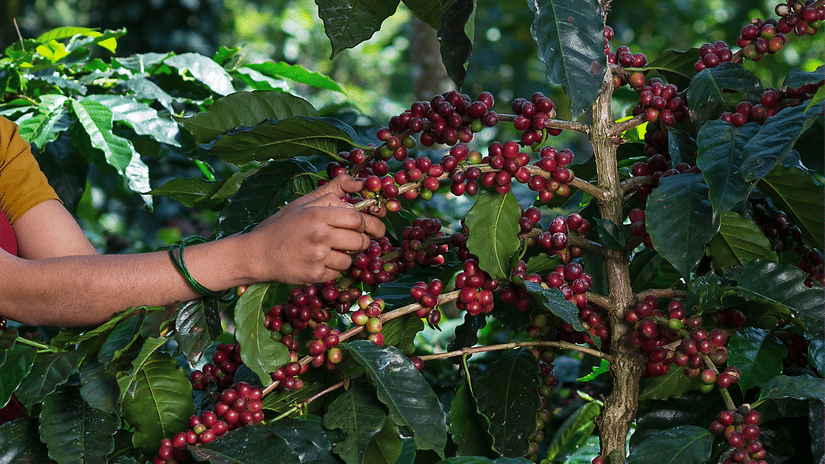
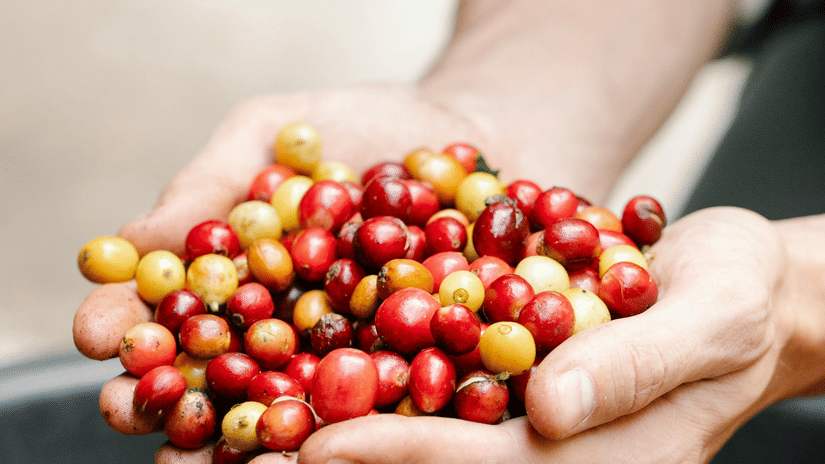
In the cooler months, walk through a coffee plantation in Chikmagalur as the estate reveals itself in layers. Pepper vines wind up the taller trees, while cardamom, arecanut, orange, and vanilla occupy the spaces below. Coffee berries move slowly from green to deep red, and pickers pass between the plants, choosing only those at their ripest. Beneath it all, the soil holds the memory of the monsoon, remaining damp long after the last rain has passed.
Coffee did more than take root in these hills; it gradually shaped the way the district worked. Estate labour became the region’s largest employment base, with picking, pruning, and curing giving structure to the working year. Around the plantations came curing works, hulling units, trading houses, and transport lines carrying the crop down towards the ports. A single crop had, over time, created an entire supply chain within one modest range of Karnataka’s hills.
The Chikmagalur coffee plantation economy, however, remains closely tied to the rhythm of rainfall. The blossom showers of March and April determine the size of the crop months before harvest, making those weeks especially significant for growers. A late or failed shower can reduce yields across the district, which is why rainfall insurance exists. In these hills, growers watch the sky with the same attention that traders elsewhere give to a moving price board.
Where the crop went, the culture followed, and the district's cooking carries the same estate influence. Malnad cuisine leans heavily on what the plantations and their intercrops produce throughout the year. Pepper, cardamom, and arecanut are not garnishes here; they are the second income on every estate. The identity is agricultural first and scenic second, which is unusual for a Karnataka hill town.
Tourism arrived on the back of all this, and the Chikmagalur coffee estate became something guests book into. Homestays, plantation resorts, and estate walks now run alongside the actual farming rather than replacing it. The harvest window between November and February draws visitors who want the district working, not idle. Estate stays now let travellers sleep inside the working landscape instead of merely driving past it.
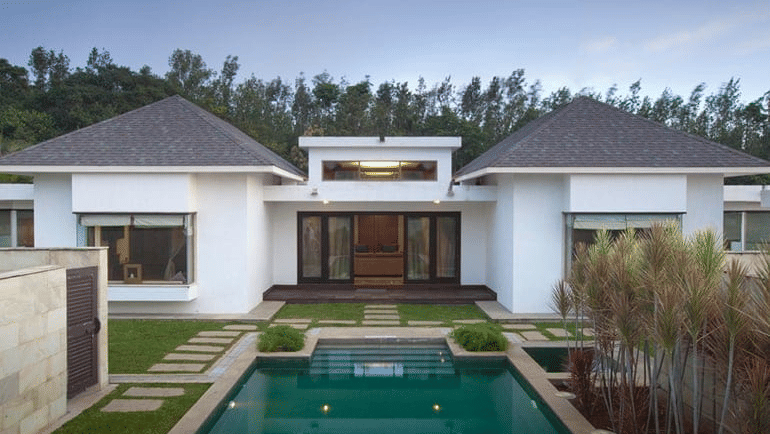
At The Serai Chikmagalur, coffee becomes part of the way you experience Chikmagalur. Set at 1,090 m within a working coffee plantation, our resort brings you among the plants that have long defined Chikmagalur’s hills. Our 29 villas, across Estate Villa, Estate Terrace, and The Residence, each feature a private pool or jacuzzi, while coffee plants extend right up to the villa gardens beneath the estate’s generous shade canopy, bringing the scent, texture, and slow pace of coffee country into your mornings.
On the complimentary plantation walk, spend about an hour among the coffee plants, tracing Baba Budan’s story alongside the workings of the estate. Bean to Cup follows the journey further, taking you through the curing and roasting units before a tasting with a coffee expert. Visit between mid-November and mid-February, and join the estate staff during picking, selecting ripe cherries.

Coffee continues through the slower pleasures of the stay. At Oma Spa, freshly ground coffee from the plantations features in our Oma Signature Series therapies.
At The Odyssey, Blue Sky, and Earth and Estate, the flavours of the surrounding region shape the dining experience, with Malnad dishes alongside international plates and slow-cooked preparations inspired by the produce grown around the estate. A Plantation Picnic brings dining into the estate, with a basket prepared from your choice of the picnic menu and served among the trees, beside the lake, by your pool, or anywhere you prefer. From the first walk among the coffee plants to the final cup of the day, the estate remains woven into the experience.