What Exactly is Malnad Cuisine?
The word Malenadu translates literally as "land of rain"—male (rain) + naadu (region), and the name is no accident. The Malnad region of Karnataka, draped across the slopes of the Western Ghats, receives some of the heaviest monsoon rainfall in India. That rainfall feeds everything: the rivers, the forests, the spice gardens, the coffee estates, and ultimately, the plate.
It is not a trend or a restaurant concept. Malnad cuisine is a living culinary tradition shaped entirely by landscape, earthy, bold, and almost entirely foraged or grown within the surrounding hills and forests.
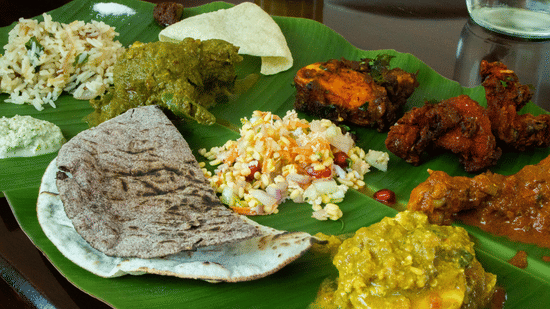
Steamed Pathrode, cloud-soft Kadubu dumplings, slow-cooked Koli Saaru fragrant with poppy seed and coconut, and Akki Rotti crisped at the edges straight off the tawa. Malenadu cuisine is a table that feeds you with the forest itself.
Roots in the Rain: The Origins of Malenadu Cuisine
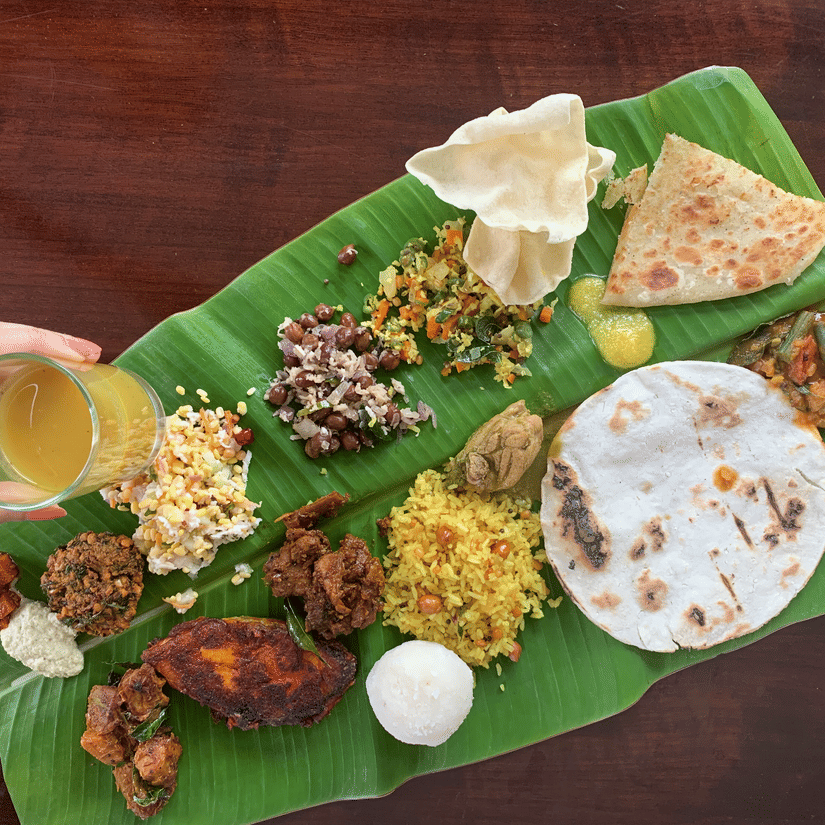
The Malnad region spans Chikmagalur, Shivamogga, Hassan, and Kodagu; a stretch of highland that has remained culturally and ecologically distinct for centuries. Communities here built their food culture around what was immediately available.
A few defining pillars underpin everything on a Malnad table:
- Rice: The absolute staple; steamed, ground, flattened, fermented
- Coconut: Chutneys, curries, stuffings, and sweets
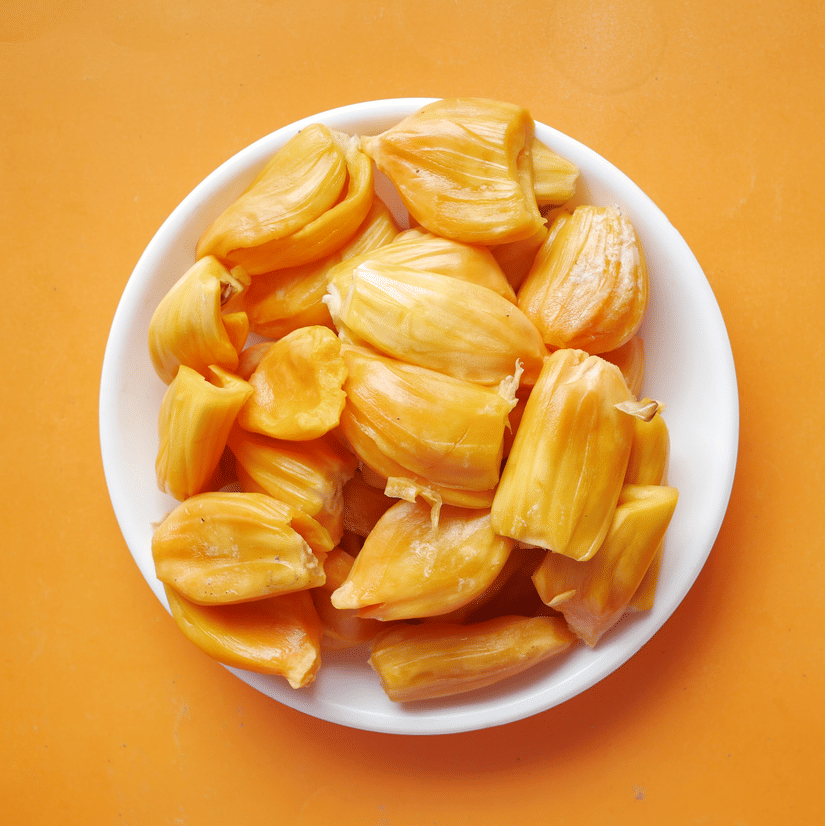
- Jackfruit: Both ripe and raw, central to dozens of preparations
- Bamboo Shoots: Harvested in season, pickled or cooked fresh
- Wild Greens: Colocasia leaves, brahmi, and doddapathre (Indian borage)
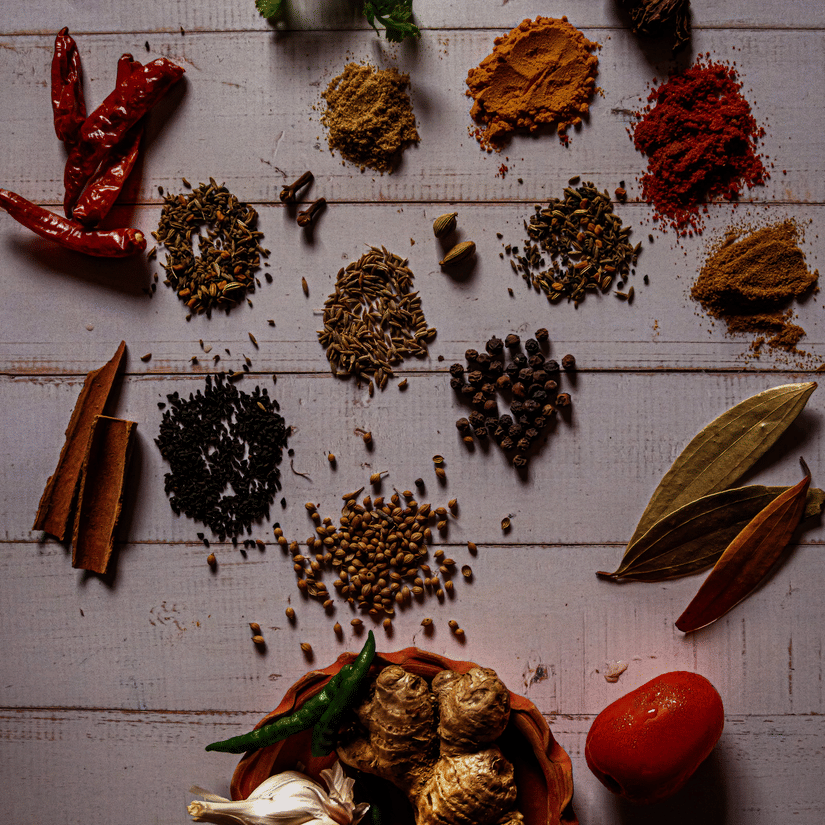
- Spices: Black pepper, cardamom, freshly ground masalas—never dried powders
- Jaggery: The universal sweetener across both savoury and sweet
Coffee: The Flavour that Defines the Region
Chikmagalur sits at the historic heart of Malnad and is celebrated as the birthplace of Indian coffee cultivation, the crop first planted here by Sufi saint Baba Budan in the 17th century. An estimated 70% of India's coffee is grown in the Malnad belt today.
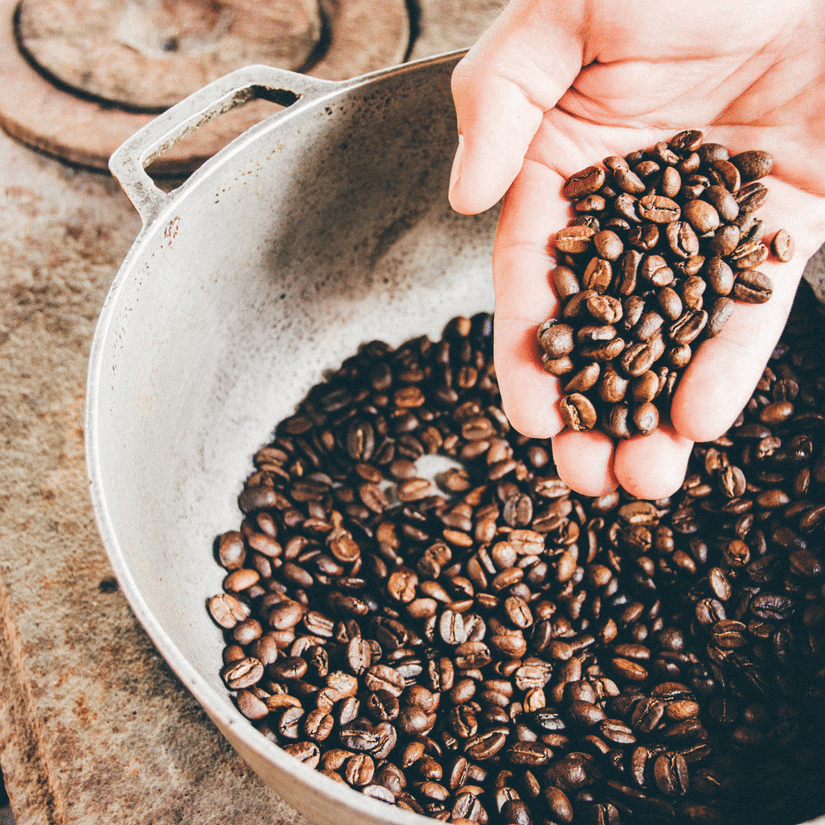
Coffee is not just a beverage here; it is woven into the fabric of Malnad cuisine itself. The famous Malnad filter coffee is made from freshly roasted, stone-ground beans brewed through a traditional brass or stainless-steel filter. It is aromatic, rich, and deeply satisfying, more of a ritual than a drink.
At The Serai Chikmagalur, this legacy comes alive through curated coffee experiences, from plantation walks to understanding the journey from bean to cup. Explore more about it here.
1. Pathrode
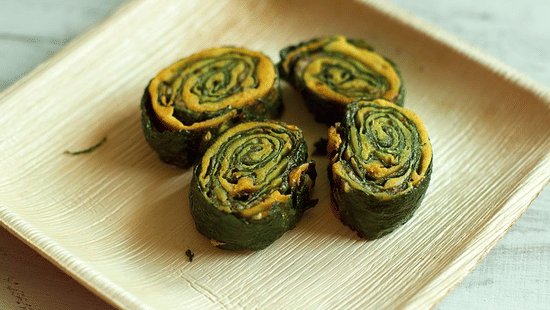
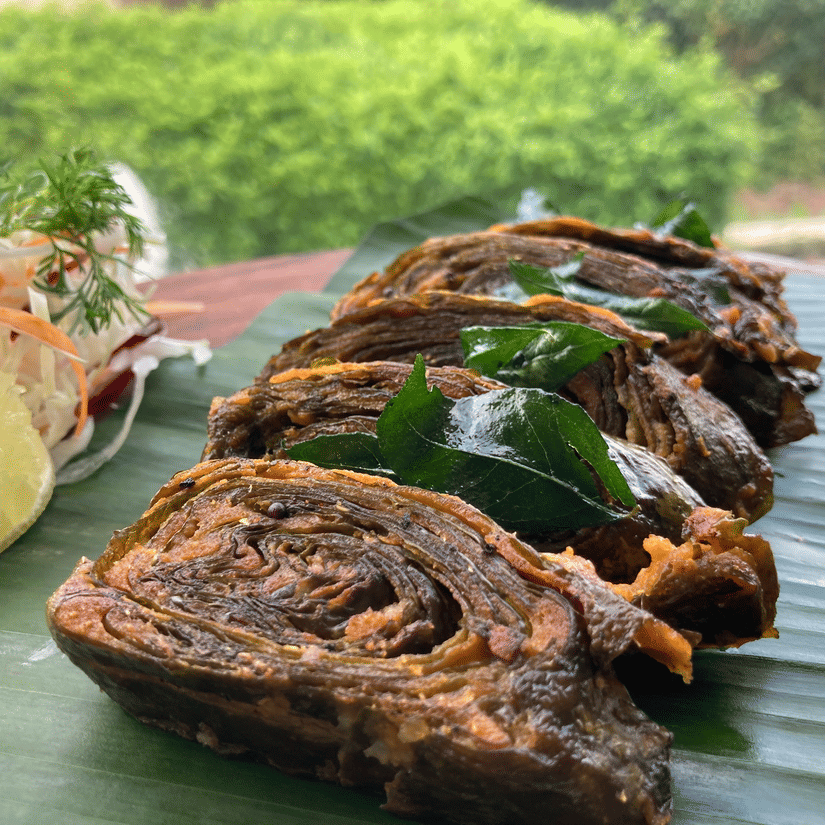
Colocasia leaves, large, dark, and abundant in the Western Ghats, are smeared with a paste of rice, coconut, tamarind, and spices, then rolled tightly and steamed. The result: concentric green-and-gold spirals with a texture that is tender without being mushy, hitting every flavour register, earthy, sour, mildly spiced, and deeply savoury—traditionally served as a snack or starter, sometimes shallow-fried after steaming for a crispier exterior.
2. Kadubu
A rice flour dumpling steamed until just set; deceptively simple, endlessly versatile, Kadubu appears in at least a dozen variations across the Malnad cuisine:
- Kai Kadubu: Stuffed with coconut and jaggery, made for Ganesha Chaturthi
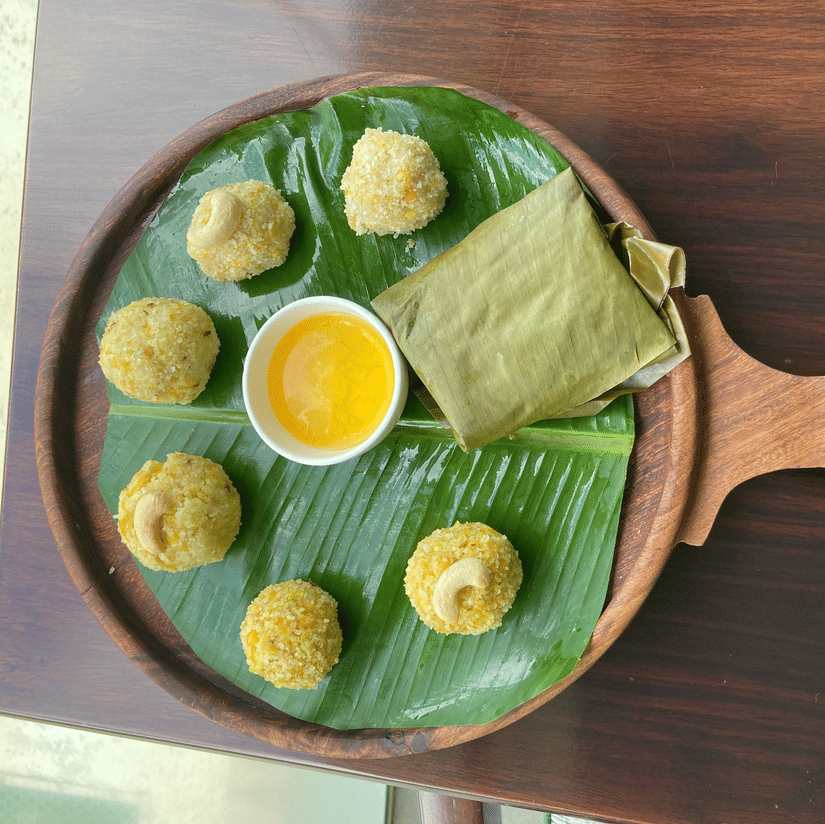
- Halasina Hannina Kadubu: Jackfruit version, steamed in banana leaves
- Cheenikayi Kadubu: Grated pumpkin and rice rava, a Diwali speciality
- Unde Kadubu: Plain steamed dumplings served with chutney or curry for breakfast
3. Koli Saaru
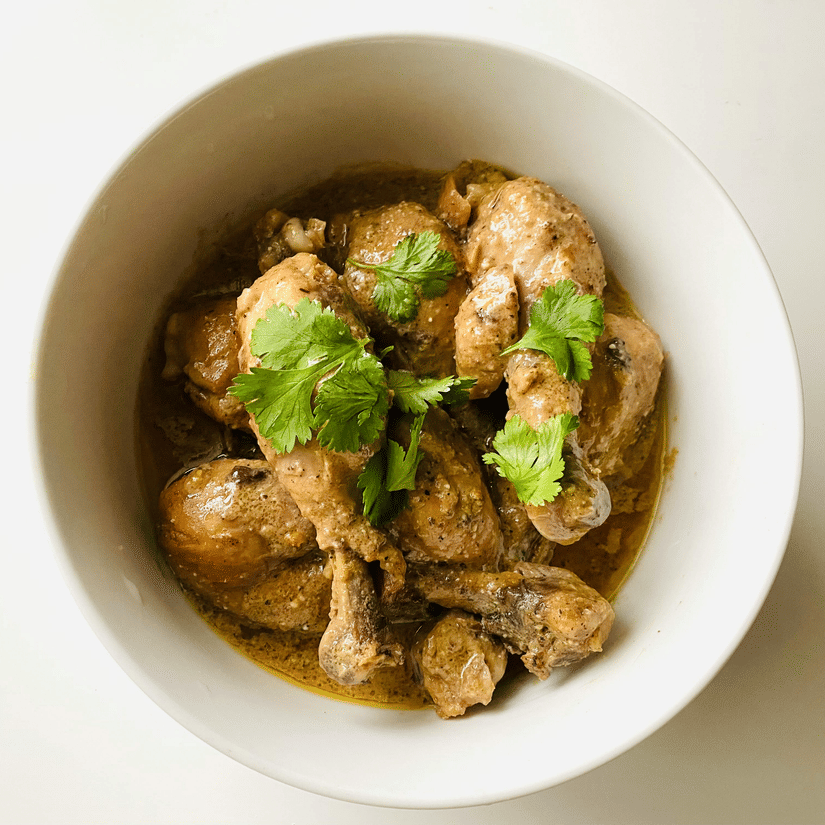
For those who eat meat, Koli Saaru (Malnad chicken curry) is a revelation. Built on a freshly ground masala that includes poppy seeds, unusual and distinctive, alongside coconut paste and whole spices. Slow-cooked until the sauce is complex and bracingly clear in flavour.
It is deep, aromatic, and satisfying in a way that lingers, the Malnad approach to non-vegetarian cooking: restraint and depth over heat and volume.
4. Akki Rotti
The Malnad household's answer to breakfast. Rice flour mixed with freshly grated coconut, chopped onion, green chilli, and a generous fistful of curry leaves pressed thin on a hot griddle until the edges crisp.
The sensory experience is layered: the initial crunch gives way to a chewy centre, the coconut adds sweetness, and the curry leaves release a sharp herbal note with every bite. Best eaten immediately off the tawa, with coconut chutney.
5. Jackfruit Preparations
Jackfruit grows in abundance across the Western Ghats and is arguably the most important ingredient in Malnad food. Every stage of the fruit's life cycle is used:
- Gujje Palya: Raw jackfruit with jaggery, urad dal, and spices
- Halasina Hannina Kadubu: Steamed jackfruit dumplings in a banana leaf
- Halasina Kayi Happala: Jackfruit papads, dried and crisped for texture
- Jackfruit Bonda: Deep-fried evening snack served with Malnad filter coffee
6. Neer Dosa
An exercise in elegant minimalism. A batter of rice and water, sometimes with a touch of coconut, poured so thinly onto the pan that it sets almost instantly, producing a lacy, near-translucent crepe as light as a whisper.
No fermentation, no fuss. Vegan, gluten-free, and endlessly versatile, it pairs beautifully with sweetened coconut milk and spiced meat curries alike. In a cuisine that values restraint, the Neer Dosa is its most elegant expression.
7. Traditional Sweets
Malnad sweets are festival food, made on auspicious days, shared with neighbours, eaten with the hands:
- Halbai:Rice halwa with jaggery and coconut
- Gasagase Payasa:Poppy seed pudding, creamy and aromatic
- Sihi Kadubu:Coconut-jaggery dumplings for Ganesha Chaturthi
- Holige: Sweet flatbread with toor dal and jaggery
- Suggi Habba Payasam:Harvest festival rice dessert with milk and jaggery
The Serai Chikmagalur: A Gateway to Authentic Malnad Cuisine
Knowing about Malnad cuisine is one thing. Tasting it in the landscape that created it is another entirely.
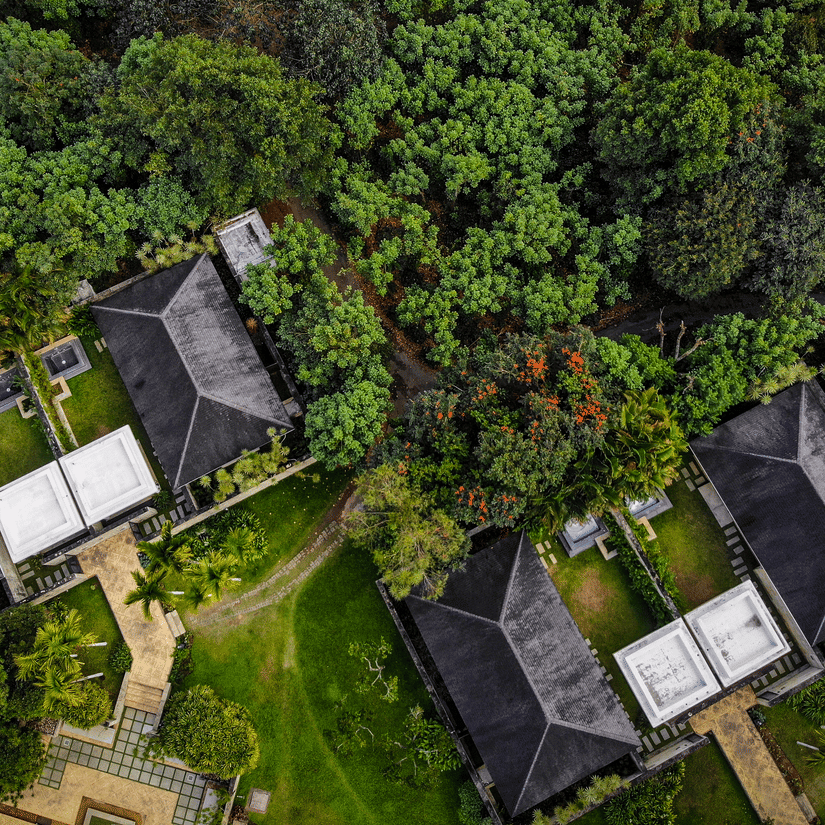
Set at the foothills of the Western Ghats, deep within the Malenadu region, The Serai Chikmagalur does not just sit near the source; it is a part of the source. A luxury resort within a working coffee and spice plantation, the estate grows the very ingredients that arrive on your plate. Bengaluru is about 260 km away; Mangalore, around 157 km. The Western Ghats are right outside your window.
At Odyssey, the resort's primary restaurant, the philosophy of Malnad cooking, fresh, seasonal, spice-forward, and unhurried, informs every preparation. The forest is not an inspiration here. It is the kitchen garden.
Beyond the table:
- 29 private villas overlooking coffee and spice gardens
- Oma Spa, wellness grounded in the traditions of the region
- The Blue Sky Lounge, where estate coffee is served alongside curated beverages
- Plantation walks through coffee and pepper groves, the origin of your meal made vivid