
The History: From Sufi Saint to Sacred Site
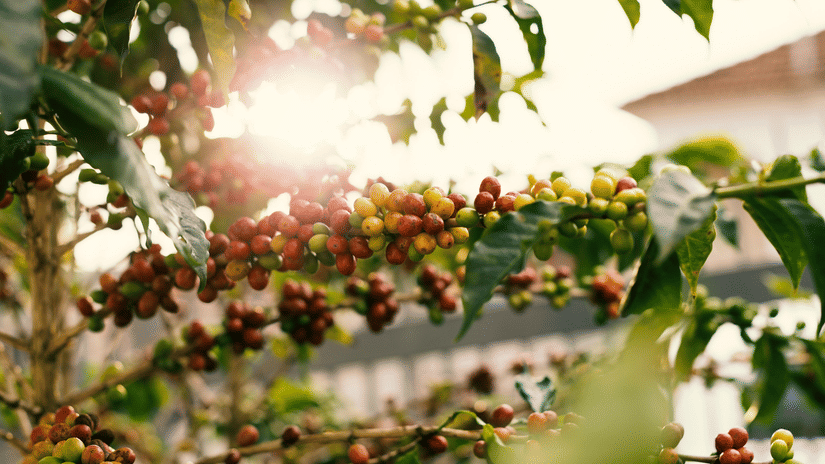
The tale of Baba Budangiri begins in the 16th century, with a Sufi saint named Baba Budan, who travelled from Yemen to India. Enchanted by the hills of Chikmagalur, he settled here in meditation, bringing with him 7 coffee beans hidden in his robes. By planting them on these fertile slopes, he unknowingly sowed the seeds of India’s coffee culture, forever linking Chikmagalur’s destiny with his own. The cave where Baba Budan lived and prayed became a site of devotion for both Muslims and Hindus.
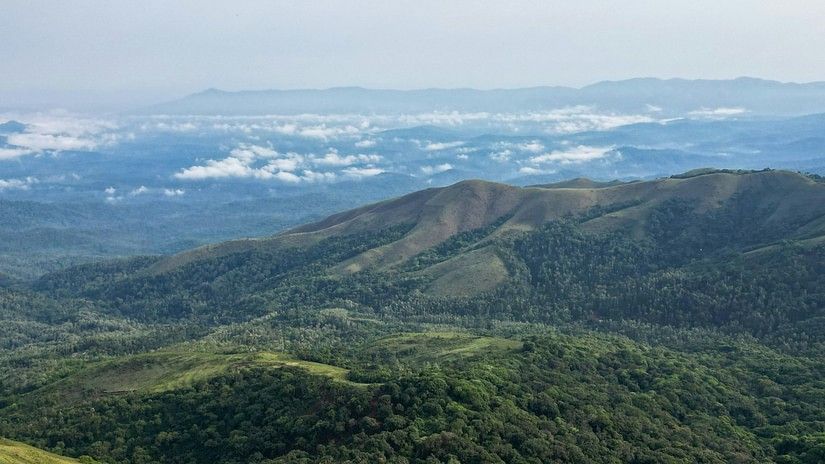
Over time, it came to be known as the Inam Dattatreya Peetha, where Sufi mysticism mingled with the Avadhuta tradition of Hindu spirituality. For devotees of Lord Dattatreya, this was the very place where the deity, an embodiment of Brahma, Vishnu, and Shiva, had performed penance.
By the 17th century, the site had evolved into a revered shrine, a confluence of two great faiths. In the 20th century, Pandit Shriram Sharma Acharya, founder of the All World Gayatri Pariwar, established the Akhand Jyoti, an eternal flame that has burned ever since. It is said that over 2,400 crore Gayatri Mantras have been chanted here, infusing the shrine with an aura of spiritual harmony.
The Significance of Datta Peeta: A Symbol of Harmony
At the heart of the range lies the Datta Peeta, a shrine that speaks of coexistence and shared reverence. To Hindus, it is the abode of Lord Dattatreya; to Muslims, it is the dargah of Baba Budan, also known as Dada Hayath Mir Khalandar. Within its cool stone cave, oil lamps flicker softly, the air scented with incense and oil, and the glow of the Akhand Jyoti casts gentle light over the sacred space. Here, the lines between faiths blur beautifully. Hymns and qawwalis often rise together, echoing through the misty hills, creating a rhythm that celebrates unity in diversity. Scholars and travellers have called it a living example of India’s syncretic spirit, a place where devotion builds bridges instead of walls.
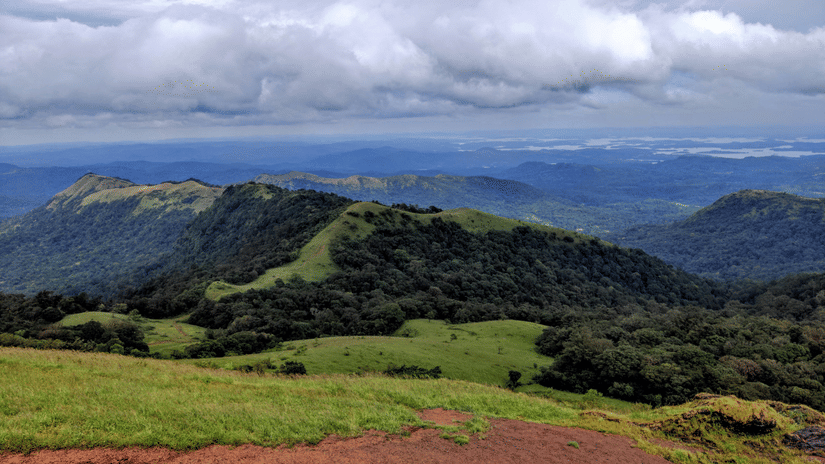
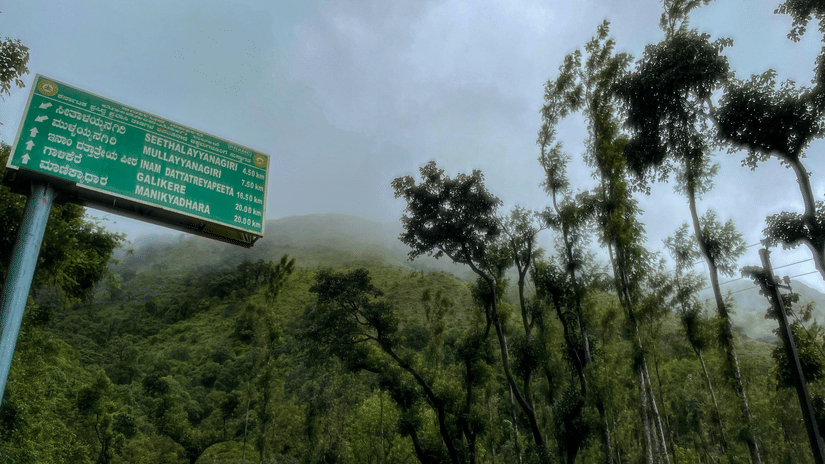
Today, pilgrims visit not only to seek blessings but also to find stillness and reflection. The Datta Peeta continues to be a centre of meditation, moral upliftment, and interfaith understanding, carrying forward the saint’s enduring message of compassion and oneness.
Visiting Inam Dattatreya Peetha: A Journey Through Faith and Forest
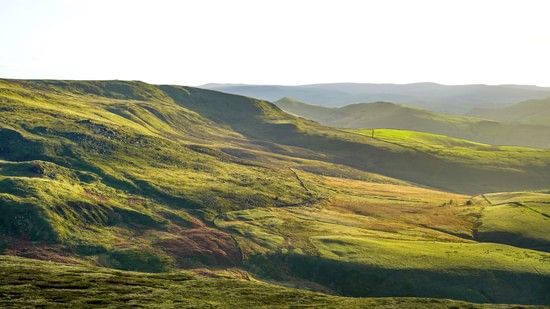
The journey to this shrine is as enchanting as the destination itself. The shrine is about 28 kilometres from Chikmagalur town, roughly an hour’s drive through winding roads lined with coffee estates and shola forests. Taxis are easily available, costing between INR 1,000 and INR 1,500, and each turn reveals a new vista of misty valleys and dew-kissed greenery. The Inam Dattatreya Peetha is set within a cave where visitors can light a lamp before the Akhand Jyoti or simply sit in quiet meditation.
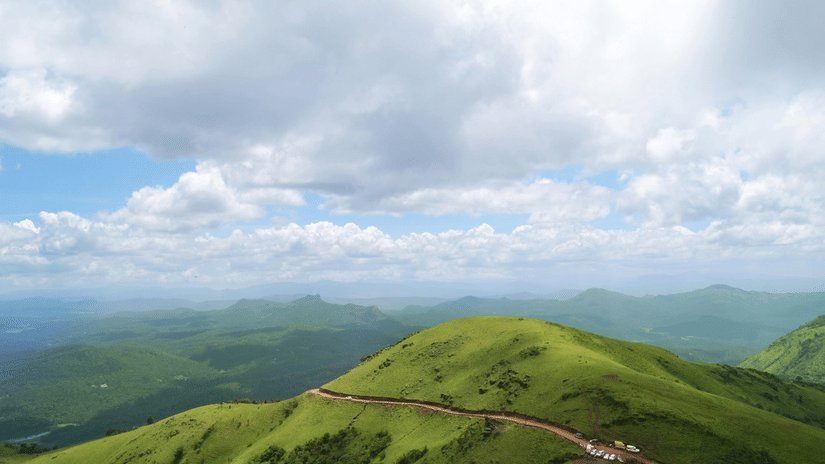
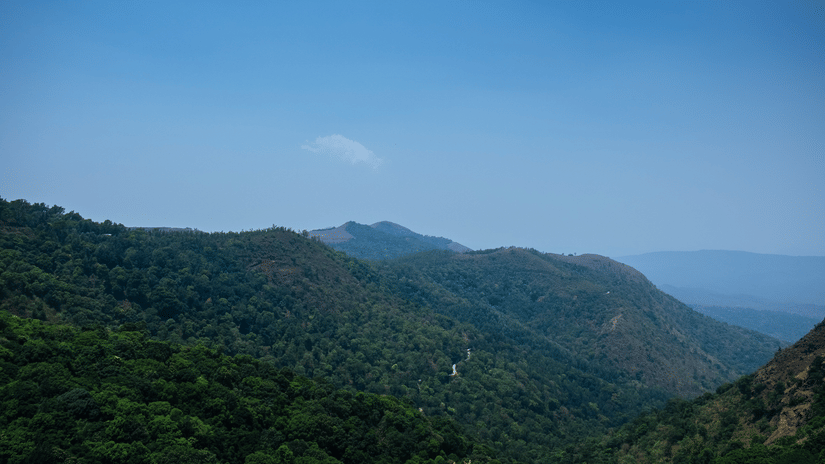
The surrounding slopes invite leisurely walks through plantations, offering striking views that photographers and nature lovers cherish. During the annual Urs and Datta Jayanti festivals, the mountain comes alive with devotional music and prayer, as Sufi qawwalis and Hindu bhajans blend into one harmonious celebration.
The best time to visit is from October to March, when the weather is cool and clear, with temperatures between 15 and 25°C. Early mornings are ideal for visiting, before the crowds arrive, when the hills are veiled in mist and the silence feels sacred. Visitors are encouraged to dress modestly and respect the sanctity of the site.
A Quiet Haven After the Hills: The Serai Chikmagalur
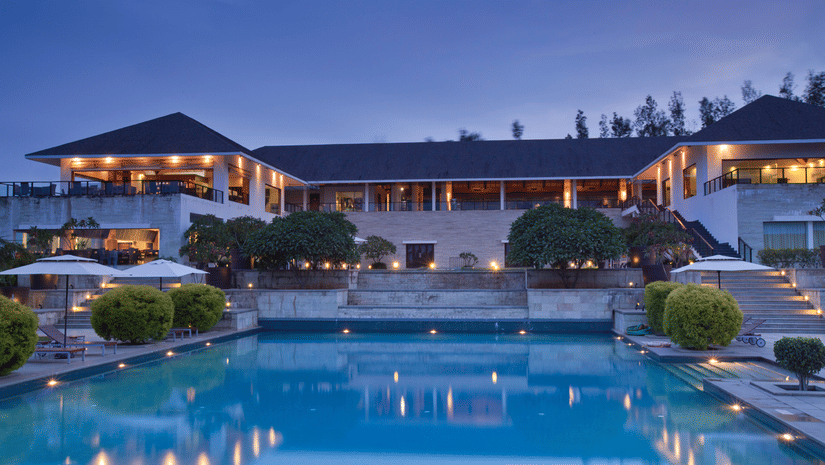
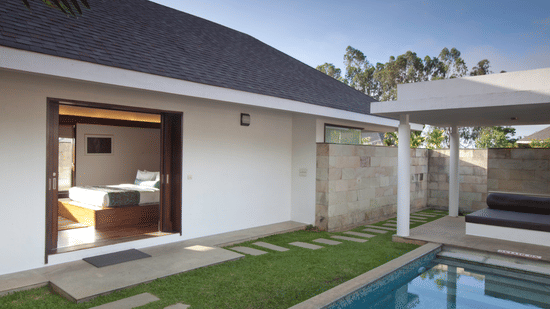
After your pilgrimage, unwind at The Serai Chikmagalur, a luxury retreat nestled about 7 km from Chikmagalur town, amidst thick green canopies and coffee-laden slopes. Inspired by the region’s rich brew heritage, the resort offers 29 elegant villas with private pools or jacuzzis, a dining experience at Odyssey that crafts local flavours into refined cuisine, and The Blue Sky Lounge for relaxed evenings overlooking the estate. Guests can indulge in holistic treatments at Oma Spa, take leisurely plantation walks beneath tall trees, lounge by the pool, or simply breathe in the crisp Malenadu air for a complete restorative experience.