India's Coffee Belt: Where It Grows
India is the world's 7th largest coffee producer, and almost all of it comes from a single mountain range. Karnataka, Kerala, and Tamil Nadu, each shaped by the Western Ghats, together form the country's coffee belt, a stretch of forest, rain, and altitude that produces virtually every bean grown on Indian soil. Elevations across this belt range from 600 m to over 1,500 m above sea level, and the monsoon arrives reliably enough each year to sustain the crop without irrigation.
Karnataka carries the weight of that number. Approximately 71% of India's total coffee output comes from this single state, making it the undisputed anchor of the country's coffee economy. Kerala contributes primarily through Robusta cultivation in Wayanad, while Tamil Nadu's share is concentrated in the Nilgiris, where Arabica grows at high altitude with a flavour profile unlike anything produced further north. Among them, Karnataka remains the centre of gravity for Indian coffee production and culture.

Karnataka: The Heart of Indian Coffee
No coffee plantation in Karnataka is quite like another. The state's 3 key growing districts, Chikmagalur, Coorg (Kodagu), and Hassan, each bring a different altitude and planting tradition. Chikmagalur is where Indian coffee began, while Coorg is known for its sprawling estates growing both Arabica and Robusta under dense forest cover. Hassan’s lower elevations are especially suited to Robusta cultivation.
Running through all 3 districts is the Western Ghats, which shape the rainfall, shade, and biodiversity essential to Karnataka’s coffee cultivation. Grown beneath native timber trees, these coffees develop a depth and complexity rarely found in sun-grown varieties.
The difference between Arabica and Robusta in Karnataka comes down largely to altitude. Above 1,000 m, cooler temperatures favour Arabica, which develops slowly and produces a lighter, more complex cup with citrus, floral, and fruit-forward notes.
Between 500 m and 900 m, Robusta thrives. Higher in caffeine and naturally hardier, it creates a stronger, full-bodied cup with earthy characteristics. Karnataka’s Robusta, especially from Hassan and lower Coorg, is widely valued in international espresso blends.
Between 500 m and 900 m, Robusta thrives. Higher in caffeine and naturally hardier, it creates a stronger, full-bodied cup with earthy characteristics. Karnataka’s Robusta, especially from Hassan and lower Coorg, is widely valued in international espresso blends.
What It Actually Feels Like to Visit a Working Estate
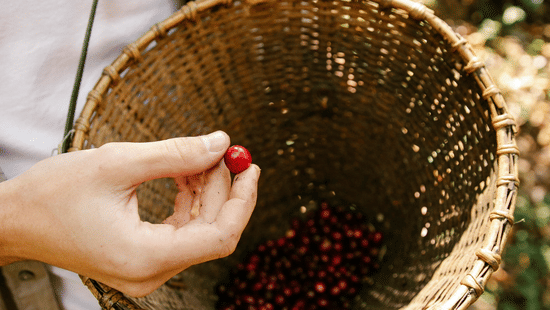
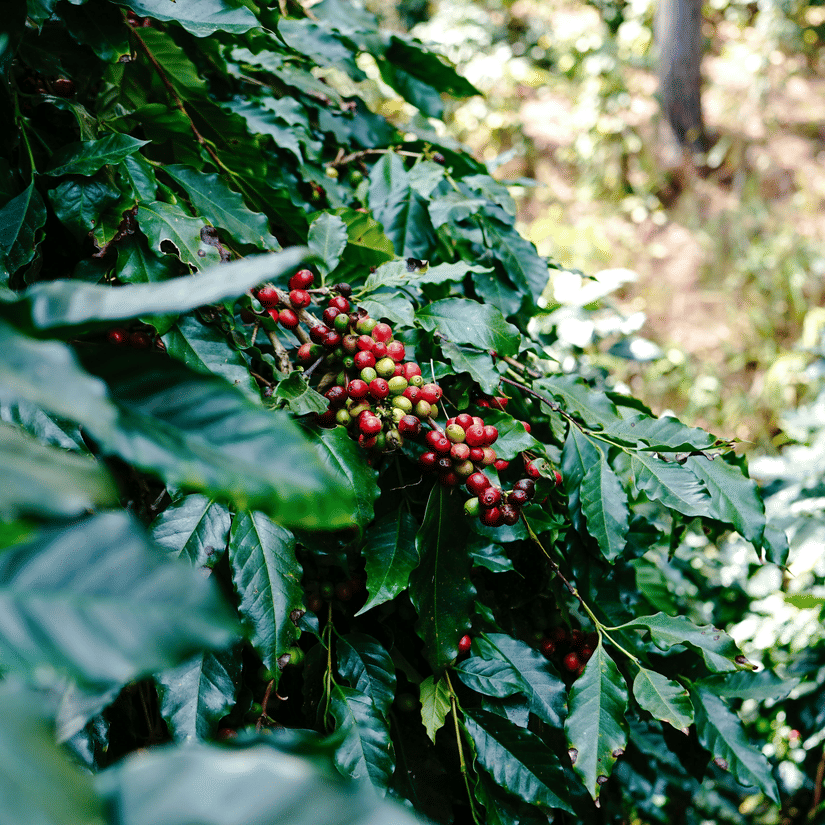
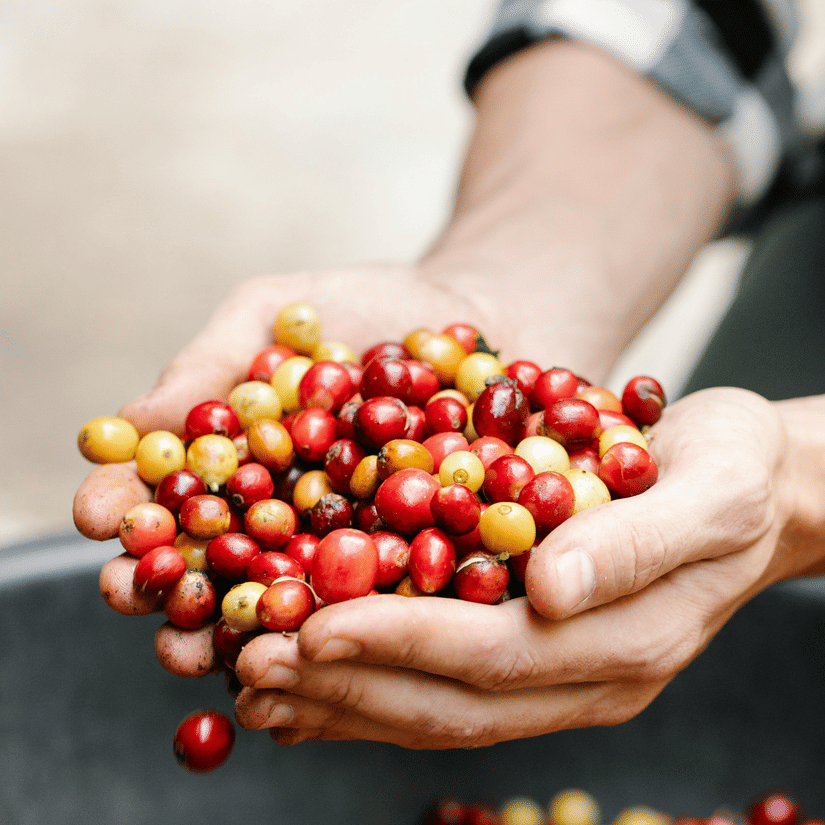
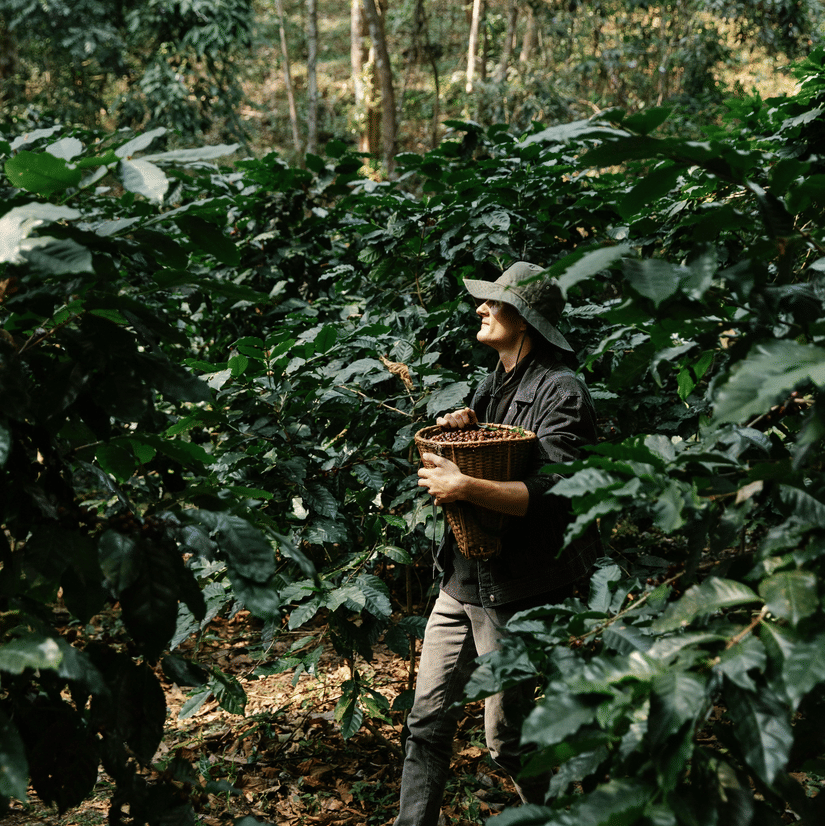
Walking through a working estate feels less like a tour and more like stepping into a rhythm that has existed for generations. Mornings unfold slowly beneath canopies of silver oak and pepper vines, with cool air carrying the scent of ripe cherries and damp earth. Rows of Arabica trees bend under clusters of red fruit while estate staff move through them with practised ease, reading the crop almost instinctively through touch and colour. Around you, coffee shares space with cardamom, native trees, and birdsong that seems to arrive from every direction.
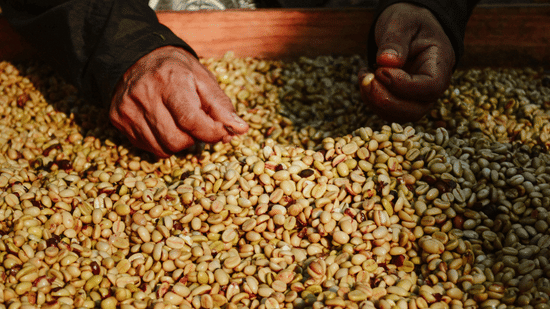
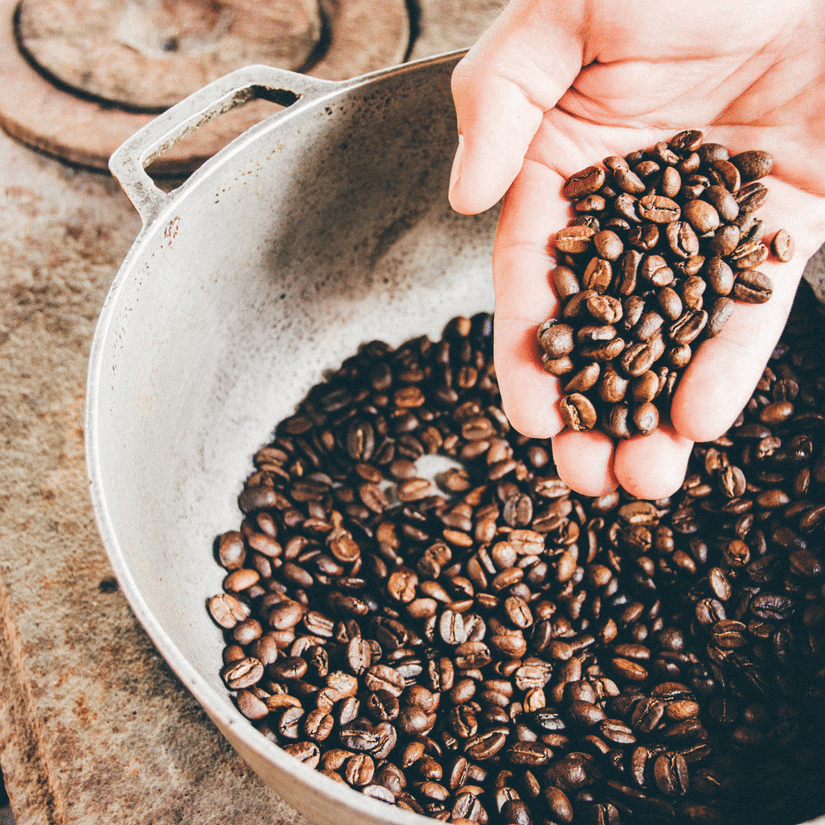
Processing is where the flavour story deepens. The wet (washed) method creates a cleaner, brighter cup, while the dry (natural) method adds more sweetness and body to the coffee. Many estates in Chikmagalur practise both, and tasting the same bean processed differently can completely change the way you experience coffee. For those joining a bean-to-cup session, the journey continues through every stage, from processing and roasting to the final tasting, offering a closer look at the craft behind every cup.
Best Time to Visit:
- November to February: Peak harvest season. The estates are in full swing, pickers are in the field from early morning, and the air carries the sharp green fragrance of freshly pulped coffee. The most immersive time to visit, particularly for first-timers.
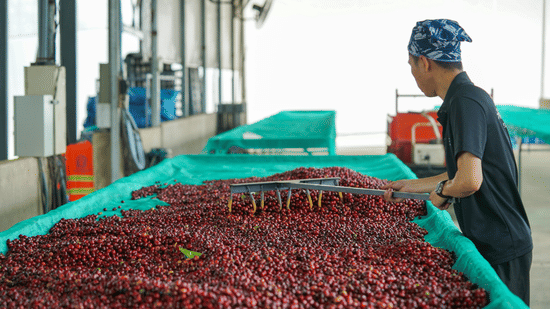
- March to May: Post-harvest processing season. Drying yards are active, milling is underway, and the estates are quieter. A better fit for those interested in the processing side of coffee rather than the harvest itself.
- June to September: Monsoon season. Rainfall across the Ghats is heavy, and many estate trails become inaccessible. Not the right time for a plantation visit, though the landscape turns dramatically green.
- October: The transition month. Cherries are just beginning to colour, the weather has softened after the rains, and estates are preparing for the season ahead. Pleasant to visit, though harvest activity is still weeks away.
Wake Up Inside a Working Estate at The Serai Chikmagalur
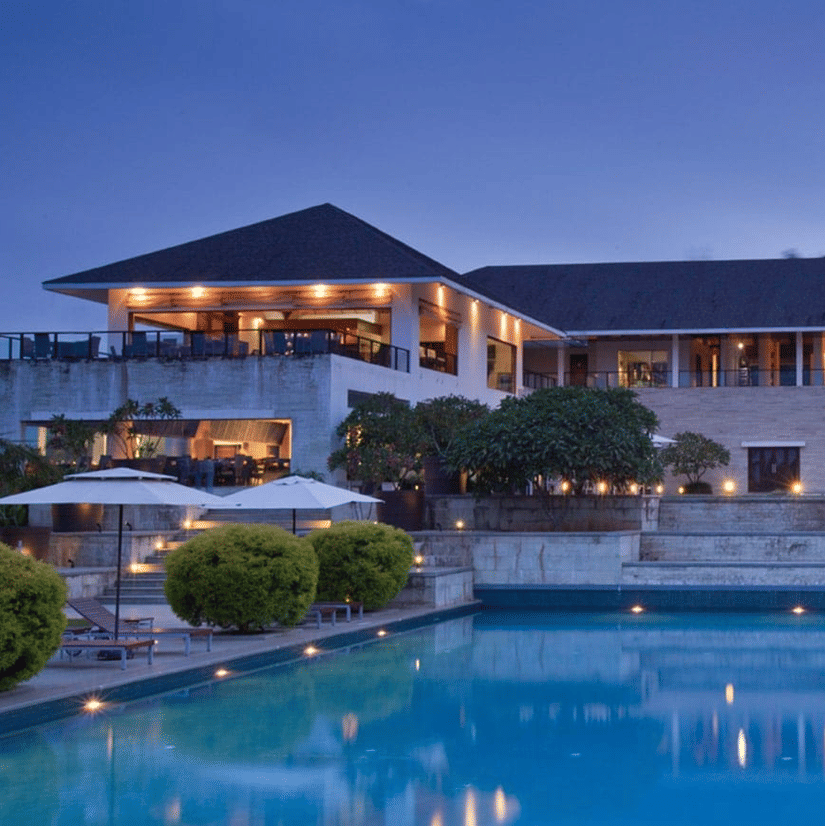
Morning arrives differently at The Serai Chikmagalur. Tucked inside a working coffee estate in the Western Ghats, the property opens out into rows of Arabica that stretch into the horizon. Set deep within a working coffee estate in the Western Ghats, around 250 km from Bangalore, the air at dawn is filled with the fragrance of Arabica. Our 29 villas, Estate Villa, Estate Terrace, and The Residence, each look out over the plantation canopy, designed for mornings that begin slowly and stay that way.
Our coffee experiences are built around genuine access. The complimentary plantation walk traces the story of Indian coffee through the estate, while the ‘Bean to Cup’ experience takes you through curing, roasting, and tasting with a coffee expert. During harvest season, ‘Be a Coffee Picker’ lets you step into the fields for a more hands-on experience.
Our coffee experiences are built around genuine access. The complimentary plantation walk traces the story of Indian coffee through the estate, while the ‘Bean to Cup’ experience takes you through curing, roasting, and tasting with a coffee expert. During harvest season, ‘Be a Coffee Picker’ lets you step into the fields for a more hands-on experience. Come evening, settle into The Odyssey or simply sit on your villa deck with a warm cup in hand as the plantation grows quieter around you. Somewhere between the morning mist, rustling coffee leaves, and the aroma rising from your cup, you begin to discover the true charm of plantation life: slowing down and savouring the moment.