When the Rains Arrive Across Karnataka
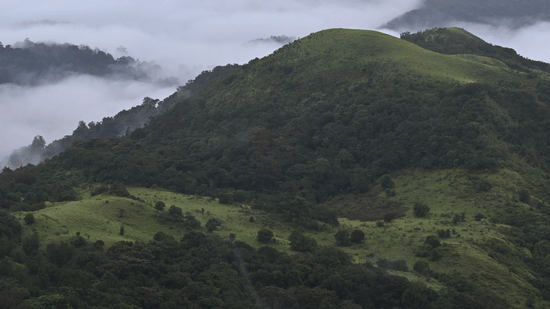
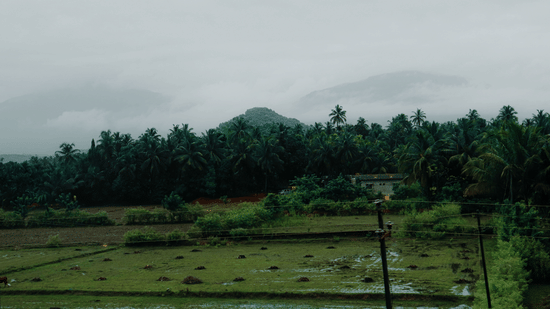
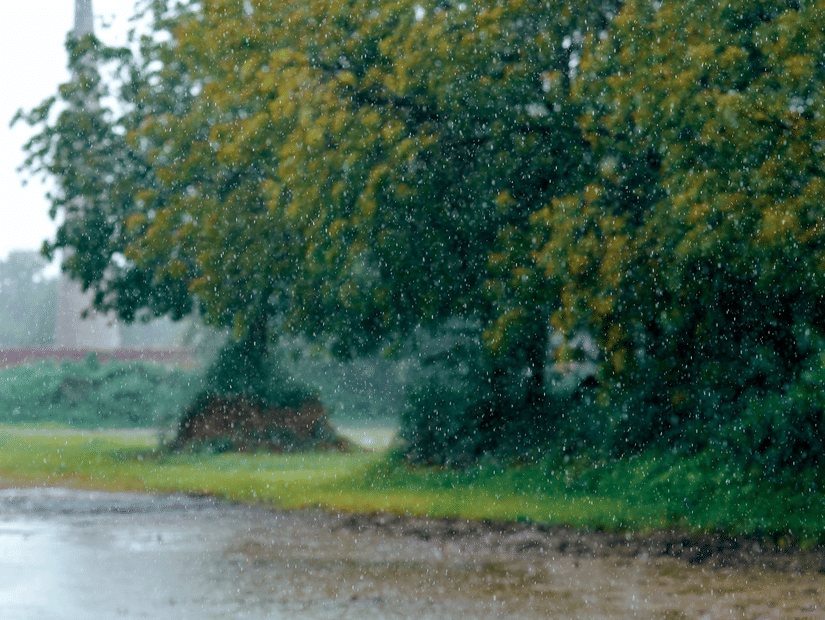
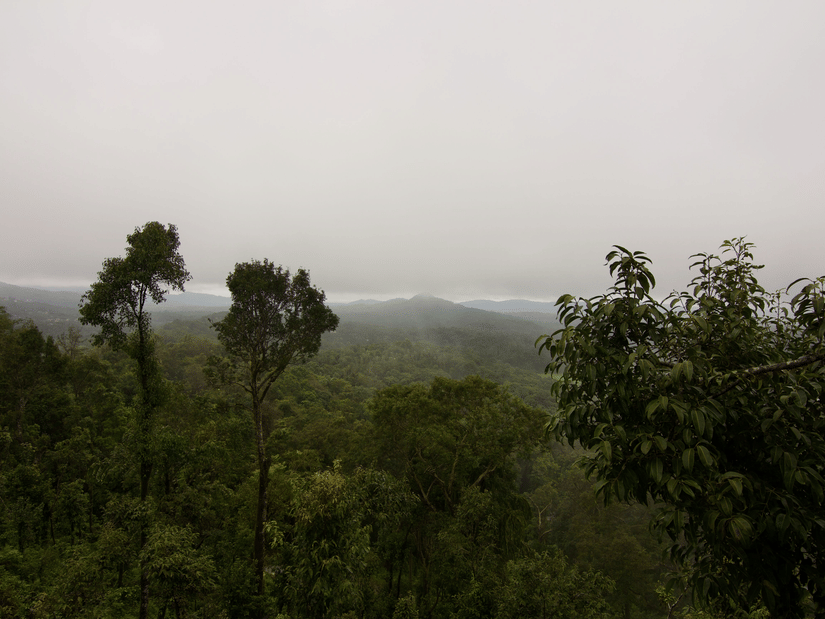
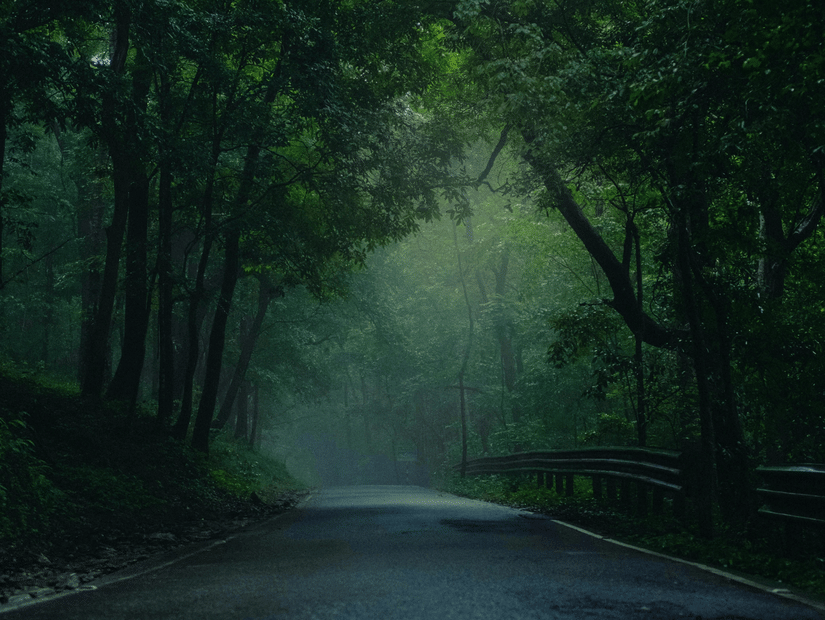
The Karnataka monsoon season is shaped by the southwest monsoon, which typically arrives in the first week of June and gradually blankets the state in rain. By the time it retreats in late September, it has brought most of Karnataka’s annual rainfall. The experience varies dramatically across regions. Coastal districts and the Malnad belt, including Udupi, Dakshina Kannada, Kodagu, Chikmagalur, and Shivamogga, receive the heaviest showers, while the interior plains remain relatively drier. July and August are the peak monsoon months, when mist lingers over the hills, and entire landscapes vanish behind rolling clouds.
How the Rains Remake the Land
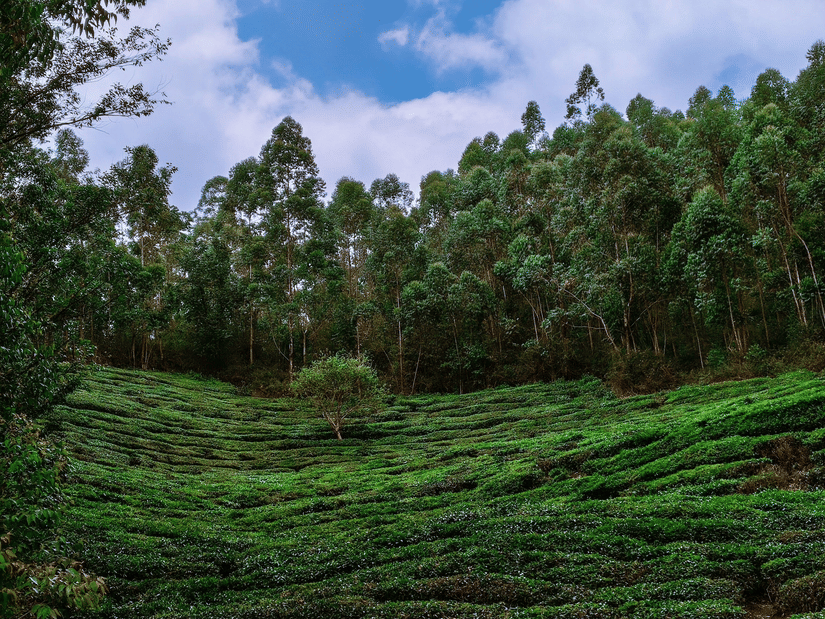
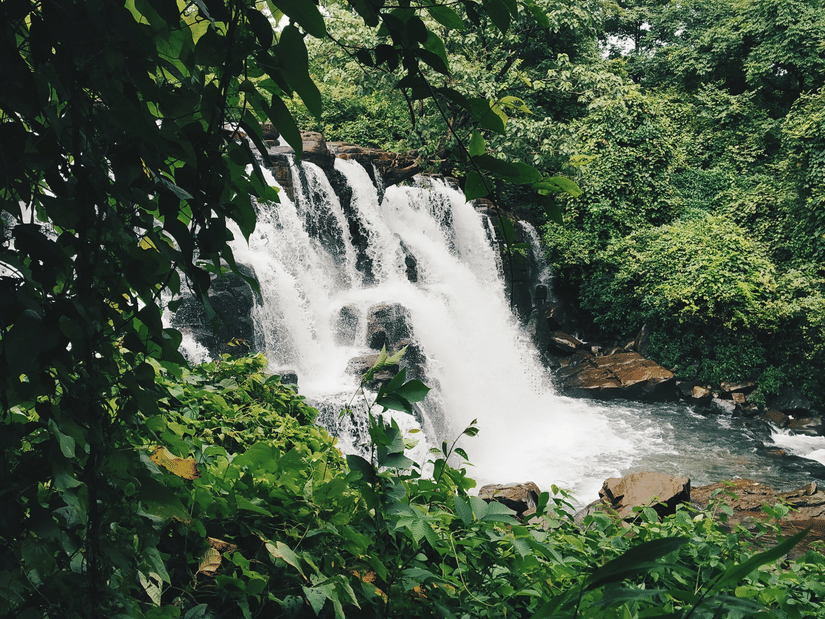
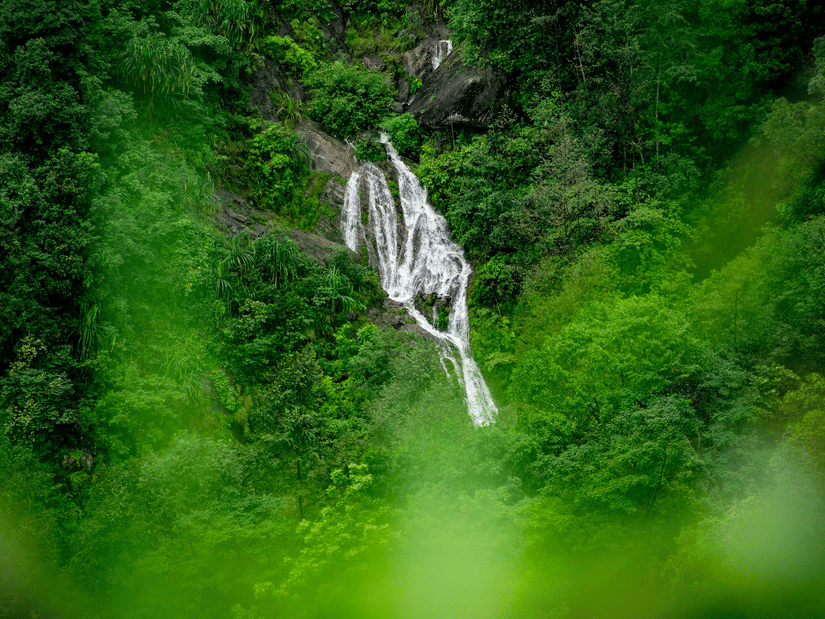
The Karnataka rainy season does not just water the state; it rebuilds it. Coffee estates in Chikmagalur and Kodagu turn glossy and dark, their rows running with mist. Dry stream beds in Bandipur fill and move. Grass pushes up through the deciduous forest floor until the brown reserve of summer reads as jungle. Waterfalls that were a trickle become a roar you hear before you see. For wildlife, the change is a windfall: fresh grazing pulls herds into the open, frogs and snakes emerge, and the air thickens with the calls of breeding birds. The land is at its most alive precisely when most travellers stay home.
Why the Karnataka Monsoon Season is Worth the Trip
The Karnataka monsoon season rewards anyone willing to trade certainty for atmosphere. The scenery is at its lushest, with plantations, forests and backwaters washed a deep, dripping green that the dry months simply cannot match. The crowds thin out, so the trails, the rooms and the safaris feel more private, and rates are gentler too. For photographers, the low cloud and soft, shifting light are a gift the clear season never offers.
Wildlife also moves differently once the rain begins. Fresh grazing draws herds into the open, frogs and snakes appear, and the forests fill with the calls of breeding birds. Add the smell of wet earth, the hush between showers, and the steady drum of rain on the canopy, and you have a season made for slowness. It is the kind of trip you take to feel further away than the distance on the map suggests.
Chikmagalur: Coffee Country in the Clouds
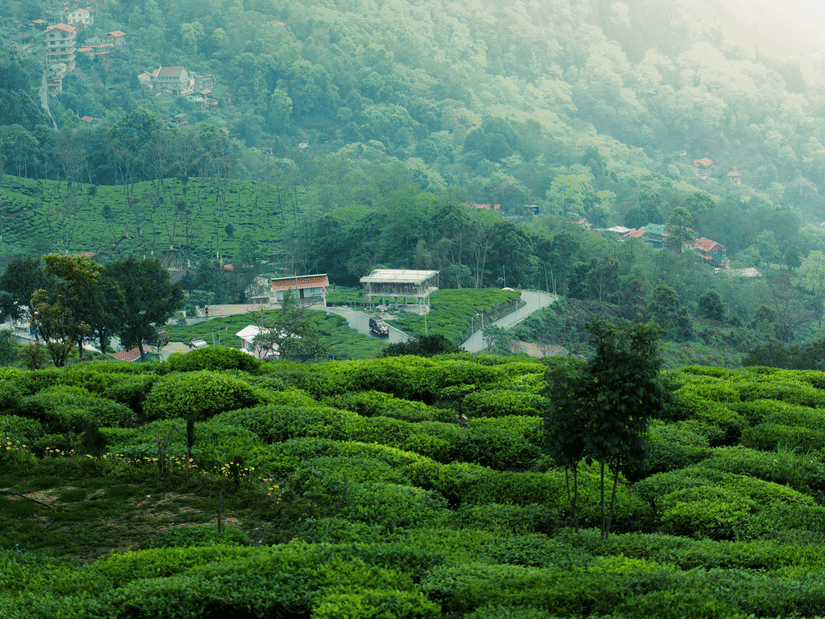
Chikmagalur is where coffee first took root in India, planted, so the story goes, by the saint Baba Budan on the hills that still carry his name. It sits in the Malenadu region below Mullayanagiri, the highest peak in Karnataka, and the monsoon is its finest hour. The estates turn glossy and dark, mist pools between the rows, and the whole of coffee country smells of wet leaf and roasting beans.
Our home here is The Serai Chikmagalur, 29 villas set in roughly 70 acres of working plantation, many with private pools that look straight onto the rain. The signature experience is the guided coffee plantation walk, which traces the bean from estate to cup with a coffee expert and finishes with a tasting. Between showers, there is cycling through the estate, birdwatching among the robusta, and the spa for the afternoons, the sky decides to take over.
Kabini: Where the River Runs the Show
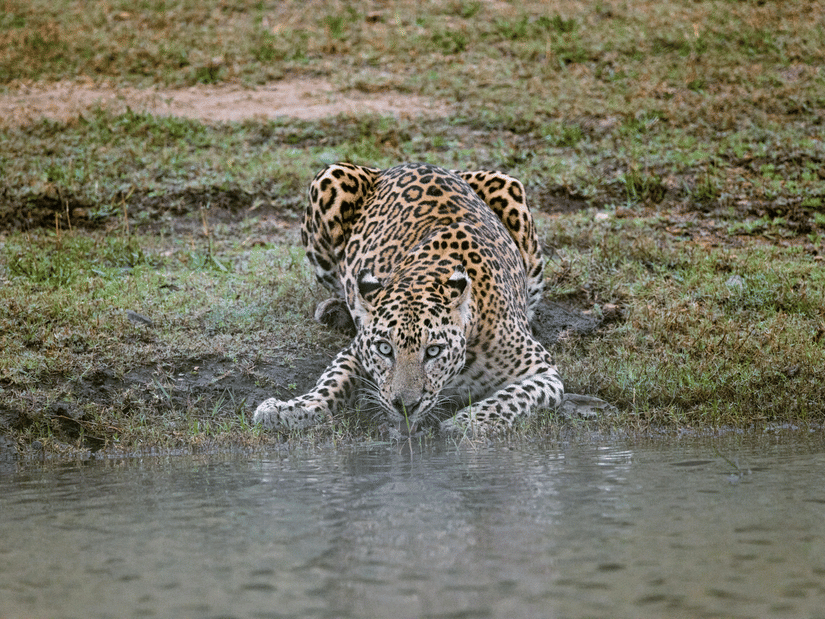
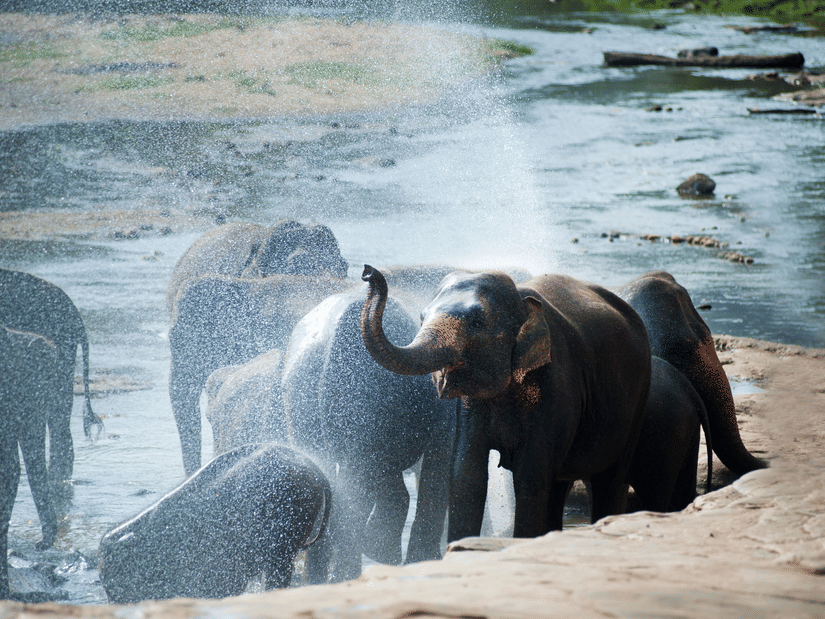
Kabini lies on the southeastern edge of Nagarhole, where the river broadens into backwaters that draw one of the largest gatherings of elephants in Asia. Over 300 species of birds are recorded here throughout the year. In the rains, the water rises, the forest closes in green, and the herds and big cats keep coming down to drink, which makes for some of the most cinematic wildlife watching in the south.
On the bank sits The Serai Kabini, 20 riverside residences where nearly every room faces the water. The standout is the boat safari, a couple of hours drifting the shoreline as elephants, gaur, and the occasional leopard come to the water's edge. There are jeep safaris too, along with coracle rides, kayaking, and naturalist-led bird trails, plus the Oma Spa and a quiet verandah for the slow hours in between.
Bandipur: Tiger Country, Rinsed Green
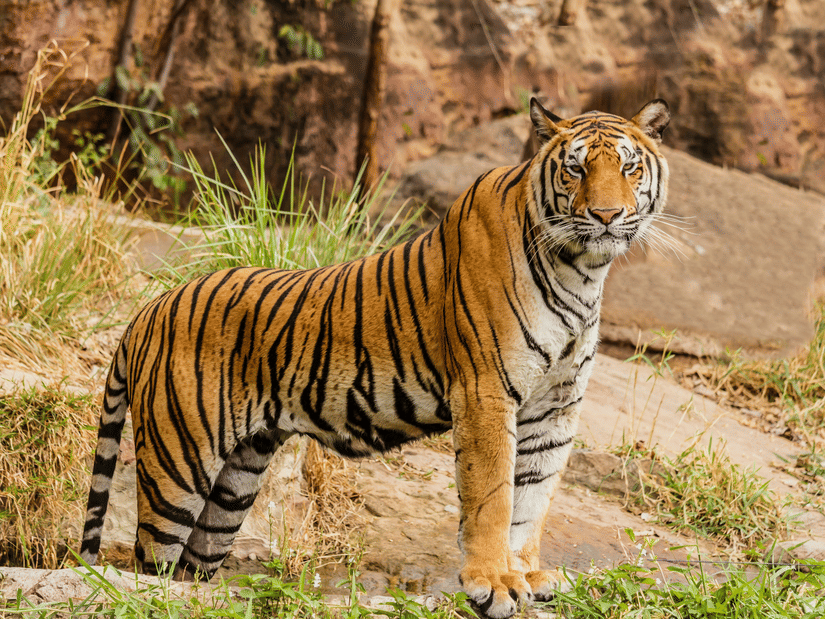
Bandipur is a tropical deciduous forest at the meeting point of the Western and Eastern Ghats, part of Karnataka's slice of the Nilgiri Biosphere Reserve. Its forests hold tigers, elephants, gaur, sloth bears, leopards, and the celebrated black panther. The reserve stays open through the rains, and although a heavy downpour can pause a safari, the forest is at its greenest and the birdlife at its loudest.
Right on the fringe of it stands The Serai Bandipur, 24 residences with the Nilgiris filling every window. Jeep safaris run into the tiger reserve, and back at the resort, there are naturalist-led nature walks, mountain bike trails and birdwatching, with deer often grazing the lawns at dusk. When the rain settles in for the afternoon, the Oma Spa and a sit-out over the forest are exactly where you want to be.
Beyond the Resorts: Coorg, Agumbe, and Jog Falls
If the rain leaves you a free day, 3 more places repay the drive.
- Coorg (Kodagu): One of the wettest districts in the state, with the Abbey Falls and Brahmagiri slopes thunderous through July and August
- Agumbe: The Cherrapunji of the South, drawing around 7,600 mm of rain a year, with rainforest trails and a much-loved sunset point
- Jog Falls: On the Sharavathi in Shivamogga, plunging about 253 m in 4 cascades. The monsoon is the only time it runs at full force.
Biodiversity at its Greenest
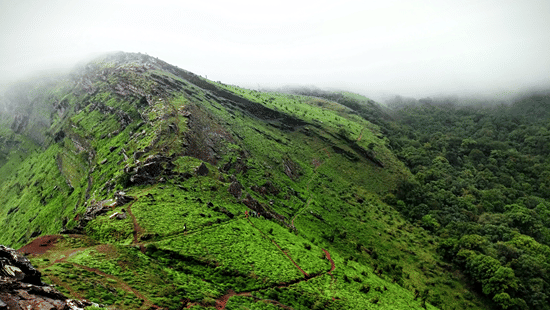
Much of this green sits inside the Western Ghats, a UNESCO World Heritage site and one of the world's recognised biodiversity hotspots. Karnataka's share runs from the Nilgiri Biosphere Reserve in the south to the rainforests of Agumbe further north. The rains are the engine of all of it. Streams recharge, amphibians breed in the thousands, and reptiles, including Agumbe's king cobras, become far more visible.
In the reserves, dense new growth makes big cats harder to spot but brings elephants, gaur and deer into easy view along the forest edges. What reads as an inconvenience to a dry-season traveller is, in fact, the system working at full tilt.
In the reserves, dense new growth makes big cats harder to spot but brings elephants, gaur and deer into easy view along the forest edges. What reads as an inconvenience to a dry-season traveller is, in fact, the system working at full tilt.
Planning a Trip Around the Monsoons in Karnataka
A monsoon trip here works beautifully when you plan around the water rather than against it. Build slack into the schedule, because heavy spells can briefly close ghat roads and delay safaris. Drive the mountain sections in daylight, keep speeds low on wet hairpins, and watch for landslide-prone stretches in the Agumbe and Coorg belts.
Leeches are part of the deal in the rainforests, so treat them as routine rather than an emergency. Most of all, choose a comfortable, well-located base. When an afternoon vanishes into rain, a good room with a view of the downpour stops being a fallback and becomes the point.

What to Pack for the Rains
- Rain gear: A jacket or poncho beats an umbrella on windy ghat roads
- Quick-dry clothing: Cottons stay damp for days, so synthetics or merino are kinder
- Waterproof footwear: Closed shoes with grip for slick trails, plus sandals for the resort
- Dry bags: Sealable pouches keep cameras, phones, and documents safe from the wet
- Leech protection: Repellent and leech socks for any rainforest walking
- Power bank and torch: Useful for the occasional weather-related power cut
Tasting the Malnad Monsoon
A food is half the reason to come in the rain. The hill kitchens of the Malnad and Kodagu lean into what the season provides, and a fresh cup of estate coffee tastes different when it is actually raining outside.
- Bamboo shoot curry: A true monsoon-only dish, the tender shoots are cooked in a spicy, sour coconut gravy
- Pandi curry: Coorg's signature pork curry, dark and tangy with kachampuli vinegar
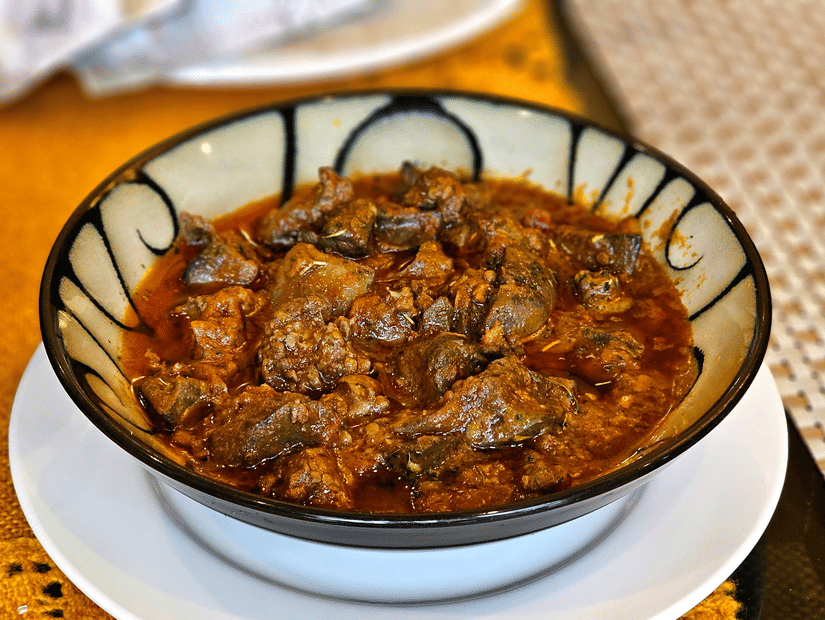
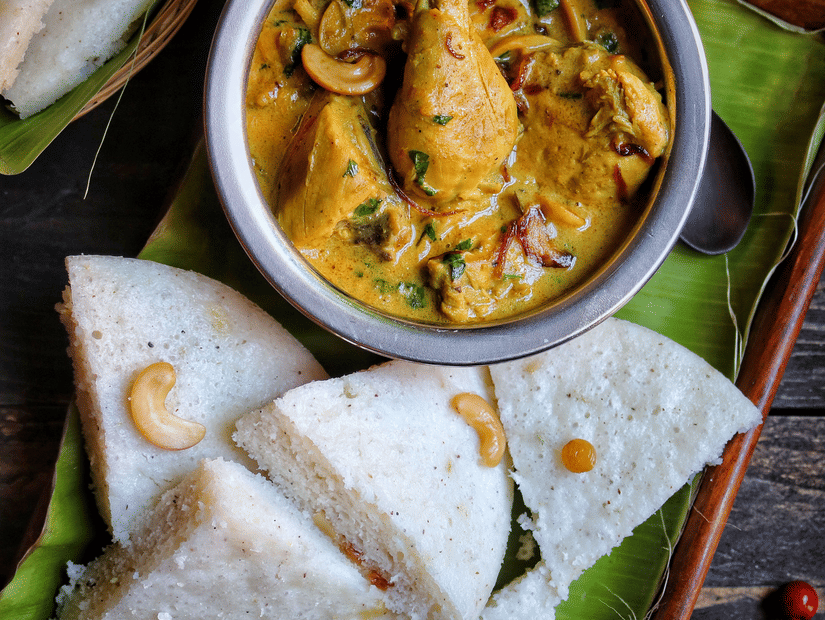
- Akki rotti: A rice-flour flatbread with coconut and herbs, a Malnad breakfast staple
- Kadubu: Steamed rice dumplings served alongside the local chicken and pork curries
- Halasina Kadubu: A steamed jackfruit and jaggery dumpling for the sweet course
Itineraries for the Rainy Season
How you shape a trip depends on who is travelling. 3 rough templates work well across the wet months.
- For couples: Pair Chikmagalur's coffee estates with 2 slow nights in Coorg, heavy on misty walks, spa time, and long lunches
- For families: Base in Bandipur or Kabini for gentle safaris and boat outings, with a waterfall day trip, the children will remember
- For weekend explorers: Pick a single Western Ghats base from Bangalore. Chikmagalur and Kabini are both around a 5 to 6-hour drive, which keeps things simple.