Deciduous Forests: Realm of Big Cats and Giants
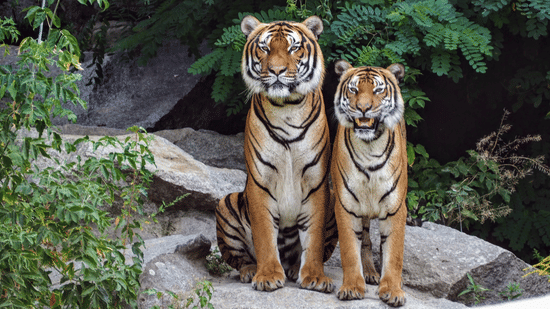
Bandipur’s dry and moist deciduous forests, carpeted with teak, sandalwood, rosewood, and bamboo thickets, serve as prime habitats for elusive predators and massive herbivores among the animals in Bandipur National Park.
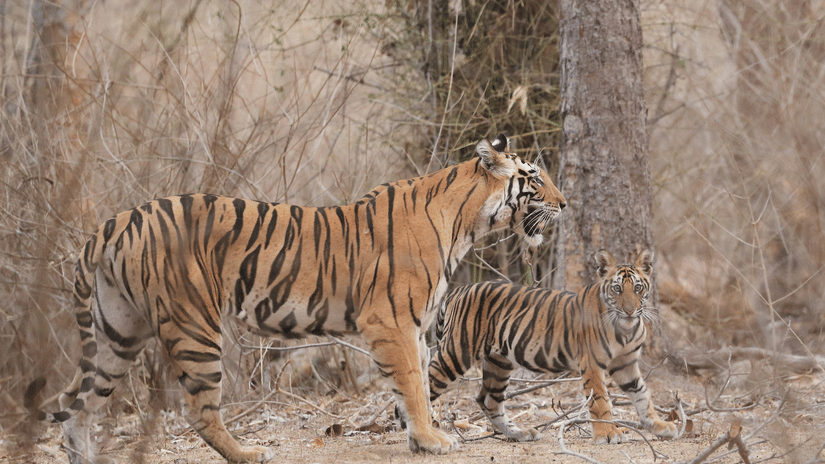
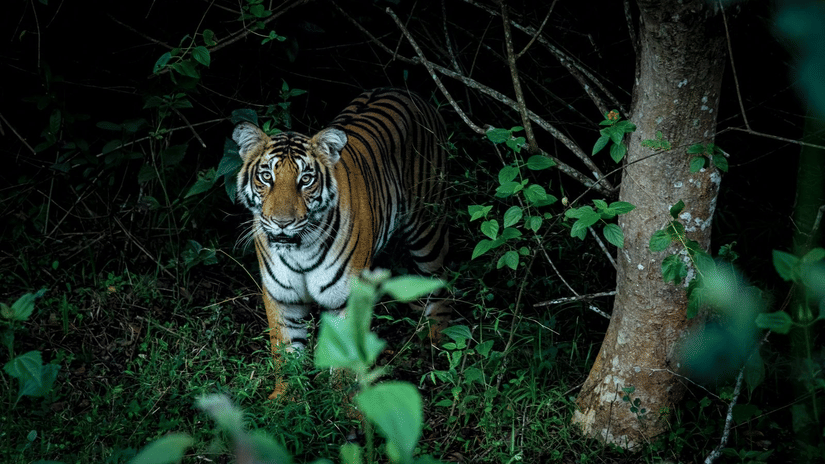
- Tigers patrol vast territories, and their movement patterns become more pronounced during the dry months when prey gathers near shrinking water sources.
- Leopards stalk smaller game, including langurs, deer, and wild boar, amid the dense undergrowth.
- Indian gaurs, Asia’s largest wild cattle, graze selectively on grasses, bamboo, and fresh shoots.
- Sloth bears feed on termites, honey, and wild fruits, showing heightened foraging activity during the late afternoon and dusk hours.
- Sambar deer and wild boars form a vital backbone of the forest food chain.
These forests transform seasonally: post-monsoon lushness conceals wildlife deep within the forest, while summer dryness draws animals toward forest edges and waterholes.
Grasslands: Open Plains of Prey and Packs
Sweeping grasslands interspersed with acacia and lantana provide open hunting grounds, supporting agile animals in Bandipur Forest that thrive in exposed terrain.
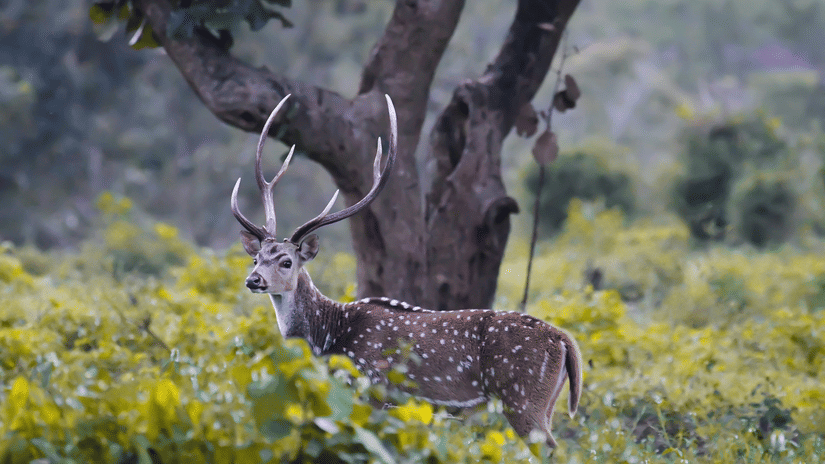
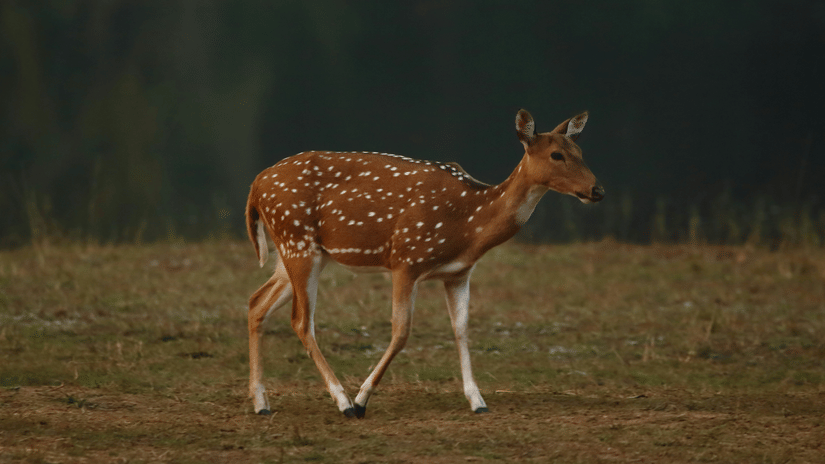
- Spotted chital deer form large herds, their white spots flashing as they graze in the open.
- Barking deer emit sharp alarm calls at the first sign of disturbance.
- Nilgiri langurs prefer grassland edges and forest fringes as part of their natural habitat.
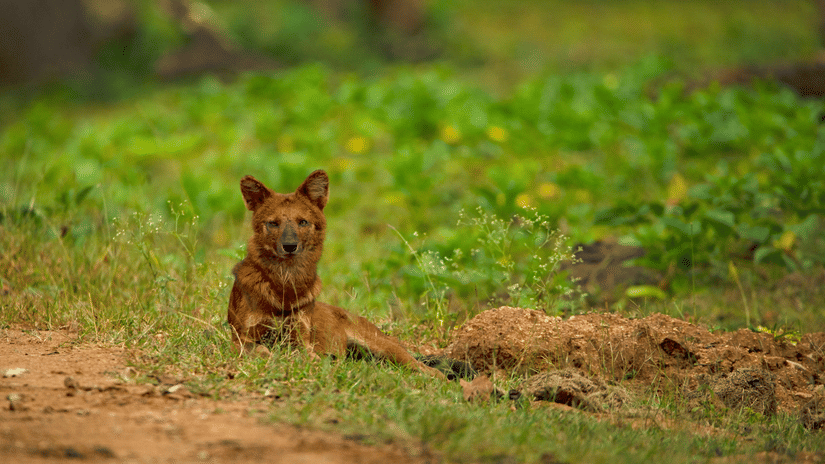
- Disciplined pack hunting is a defining behavioural trait of dholes, the Asiatic wild dogs of the region.
The grasslands grow especially active from October onward, as fresh post-monsoon growth attracts grazers and, in turn, predators.
Water Bodies: Elephants' Gathering Grounds
Rivers such as the Kabini and Nugu, along with man-made lakes and seasonal streams, form vital hydration zones where wildlife in Bandipur National Park gathers in impressive numbers.
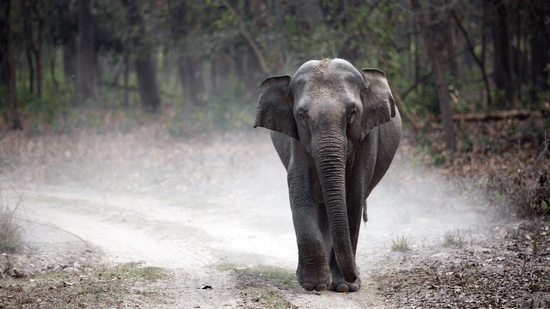
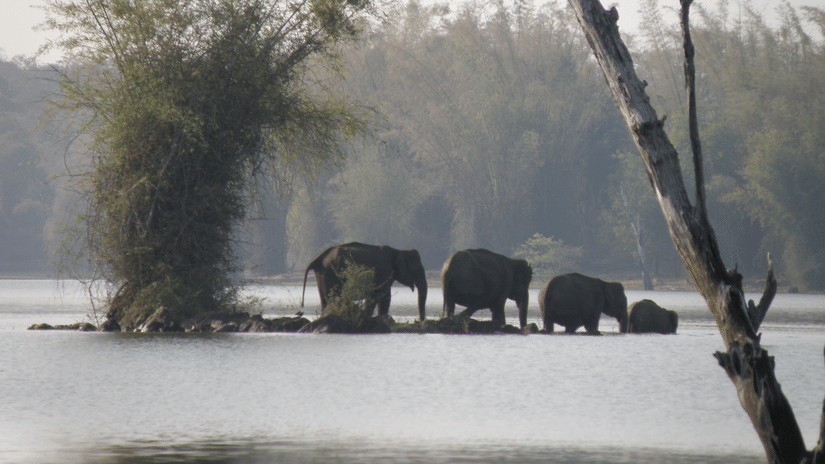
- Asian elephants bathe and drink in the shallows, particularly during late afternoons and evenings.
- Mugger crocodiles lie partially submerged near riverbanks, preying on fish and unsuspecting birds.
- Smooth-coated otters frolic in family groups, diving skillfully for fish and crustaceans.
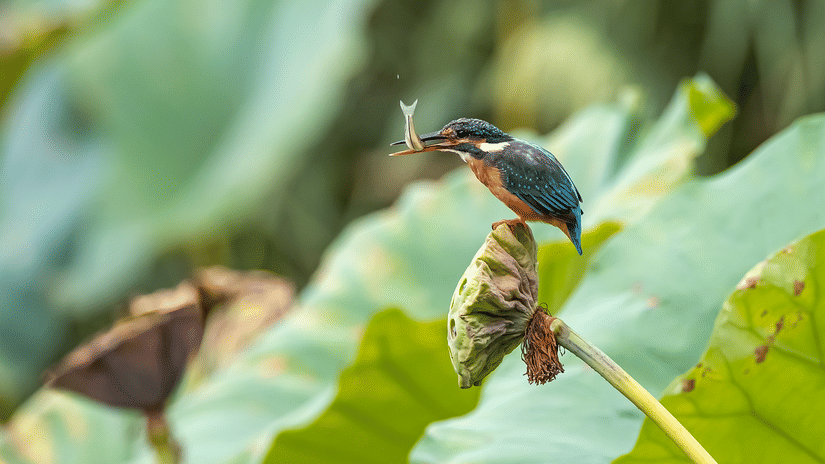
- Waterfowl, including egrets, herons, and kingfishers, perch gracefully along the water’s edge and overhanging branches.
During the dry season (February–May), these water bodies come alive as elephants gather in large numbers and birds flock in search of water before nightfall.
Primates, Reptiles, and Skyward Birdlife
Bandipur’s forests are full of life, from tree-dwelling primates and reptiles on the forest floor to birds filling the skies.
- Giant squirrels leap between branches, while Nilgiri langurs watch quietly from the treetops.
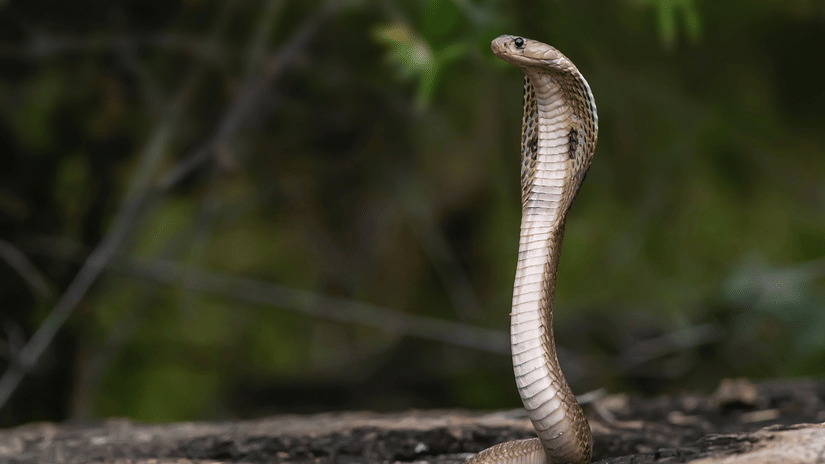
- King cobras and Indian rock pythons move silently through leaf litter and dense undergrowth.
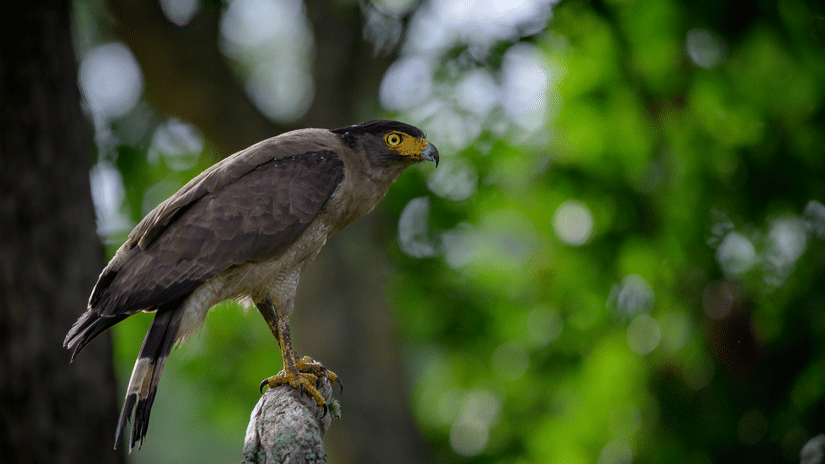
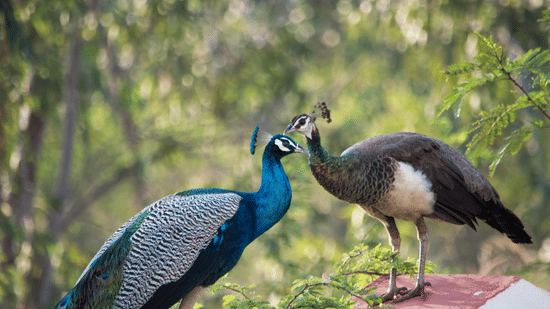
- Malabar giant hornbills, serpent eagles, peafowl, and over 200 other bird species form the park’s rich avian population.
Bird numbers increase during the migratory season from October to May, while reptiles become more active after the monsoon during basking and breeding periods.
Seasonal Wildlife Patterns and Forest Behaviour
The wildlife in Bandipur National Park changes dramatically with the seasons, making each visit a unique experience.
- Monsoon (June–September): The forests become lush and dense, pushing animals deeper into the greenery. This period is especially vital for chital deer, as it marks their fawning season. The rains transform the forest into a vibrant green sanctuary, alive with the sounds of birds and the rhythms of hidden wildlife.
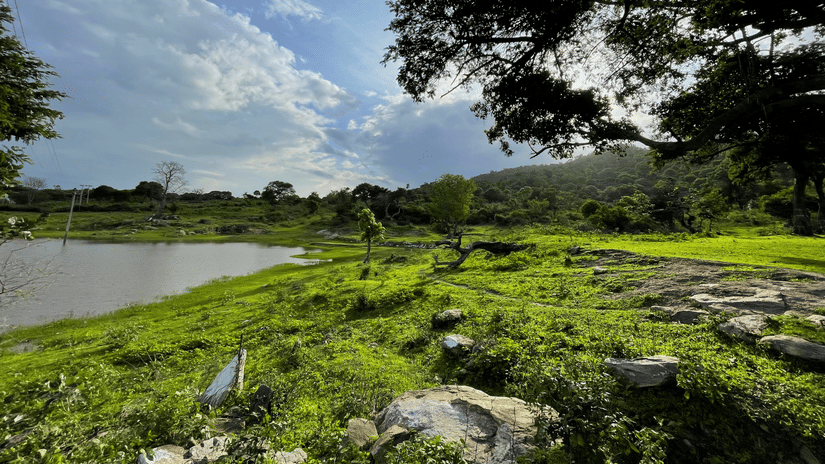
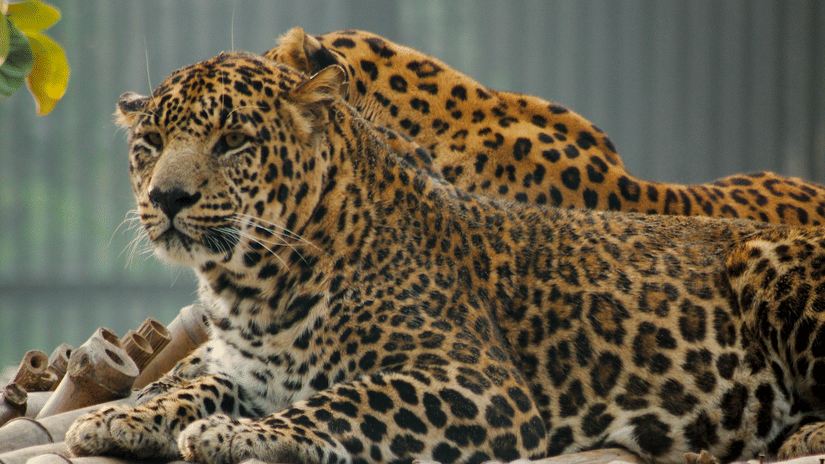
- Dry Season (January–May): Scarcity of water draws animals toward rivers, lakes, and waterholes. Herds of elephants, gaurs, and even tigers congregate along the Kabini and Nugu rivers, creating spectacular wildlife gatherings. Leopards typically return to cover after night hunts, while sloth bears forage at termite mounds during the evenings.
- Birdlife Shifts: Resident birds dominate during the summer months, while migratory species arrive from October to May, swelling the flocks and adding bursts of colour to the forest canopy.
Bandipur's Vital Role in the Nilgiri Biosphere
Bandipur is the ecological heart of the Nilgiri Biosphere Reserve, sustaining corridors that allow animal migrations across Karnataka, Kerala, and Tamil Nadu. This connectivity ensures genetic diversity for endangered species like tigers, elephants, and dholes.
Through Project Tiger, habitat restoration, and anti-poaching efforts, tiger numbers have risen from just 12 in 1973 to over 170 today, cementing Bandipur’s global conservation importance.
The Serai Bandipur: Wilderness Luxury Base
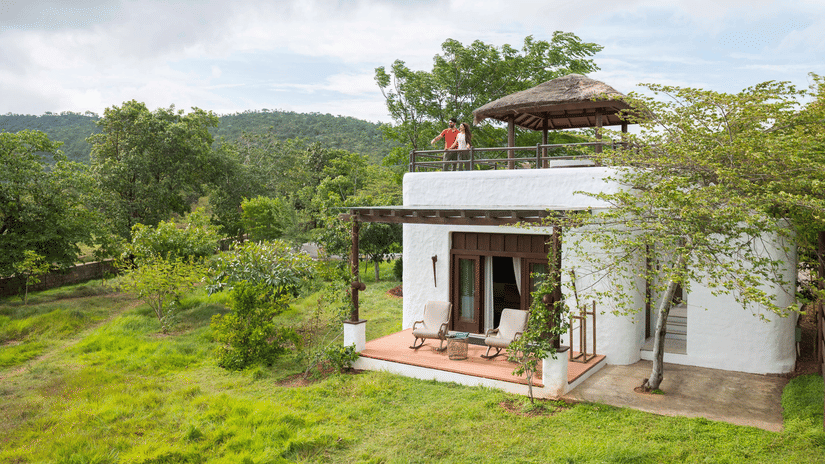
The Serai Bandipur blends seamlessly into the jungle, providing an elegant retreat for wildlife enthusiasts who seek comfort without compromising on immersion. Designed to harmonise with the environment, the resort serves as the perfect sanctuary for relaxation after a day of exploring the forest.
- Accommodation: Choose from Courtyard Rooms, Log Huts, or spacious Residences, all featuring private balconies and breathtaking forest views.
- Dining & Drinks: Savour fine flavours from across India and around the world at The Sanctuary restaurant, or unwind with curated cocktails at Moyar’s Edge, a cosy and idyllic jungle bar inspired by the Moyar River and gorge.
- Wellness & Spa: Indulge in invigorating massages, herbal scrubs, and specialised therapies at the tranquil Oma Spa.
- Recreation: Explore the wilderness with guided nature walks, bicycle trails, and a refreshing infinity pool.