Kakanakote’s Cultural and Indigenous Legacy
Kakanakote takes its name from Kaka Nayaka, a legendary chieftain of the Kuruba people, the indigenous forest-dwelling community of the region. So impressed was the Maharaja of Mysore by Kaka Nayaka’s bravery and intimate knowledge of the forest that he immortalised his name by naming the range after him. Today, the area is more commonly referred to as the Kabini sector of the Nagarhole Tiger Reserve, though the historic name Kakanakote continues to reflect the region’s deep cultural roots.
The Kuruba and Jenu Kuruba communities have long lived in harmony with the forest, worshipping it as a deity and serving as its most skilled stewards. Their deep understanding of the terrain, seasons, and wildlife remains unparalleled, and their cultural legacy continues to shape the identity of this wilderness.
Kakanakote also holds a place in Karnataka’s cultural imagination. The playwright Maasti Venkatesh Ayengar immortalised it in a celebrated play, later adapted into the Kannada film Kakana Kote, highlighting how literature and landscape are inseparable here.
Landscape and Geography of Kakanakote Forest
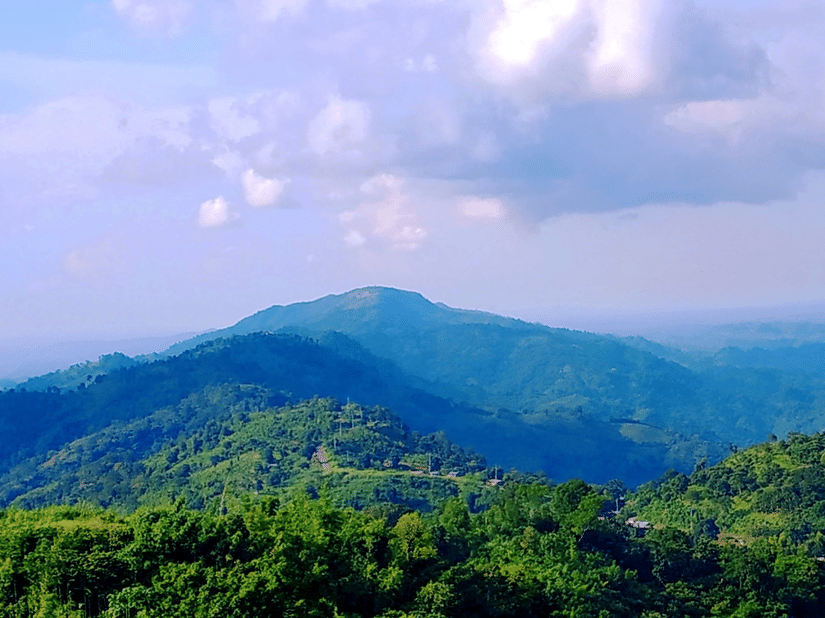
Kakanakote Forest sits at 700 to 900 metres above sea level in Heggadadevankote taluk of Mysuru district, about 80 kilometres from Mysore. The landscape features undulating hills, gentle valleys, and seasonal streams feeding the Kabini River, a tributary of the Cauvery that forms the forest’s southern boundary.
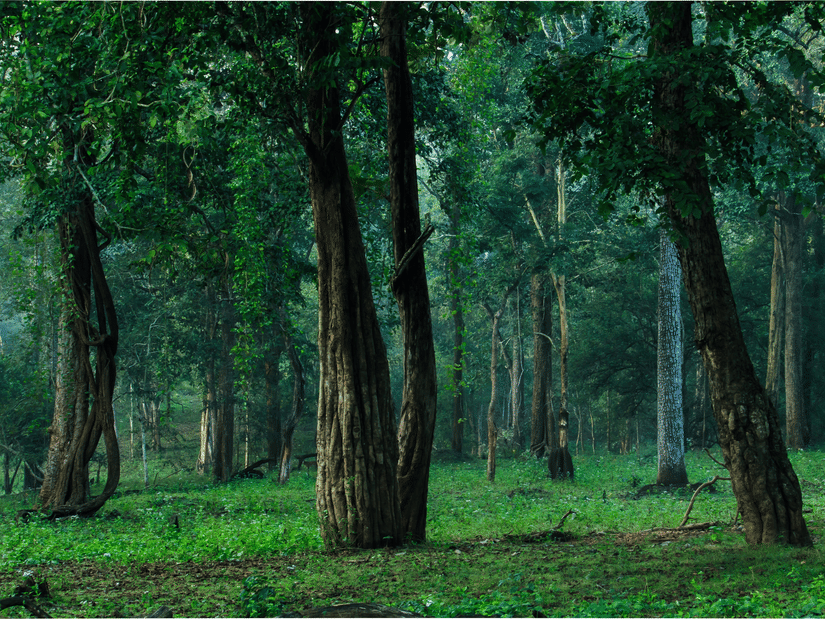
Dominated by tropical moist deciduous vegetation rich in teak and interspersed with dense bamboo, the forest provides an ideal habitat for elephants and other wildlife. Riverine zones along the Kabini backwaters transition into grassy meadows during summer, attracting elephants, gaur, spotted deer, and sambar.
Kakanakote is also part of the Nilgiri Biosphere Reserve, India’s first UNESCO-designated biosphere reserve. The region supports approximately 3,700 plant species, over 100 mammals, and around 300 bird species. The forest itself falls within Nagarhole National Park, which was declared a national park in 1983 and later designated as a Tiger Reserve.
The Changing Seasons of Kakanakote Forest
Few forests in India transform as dramatically as Kakanakote across the seasons, with each change in weather bringing a new landscape and wildlife activity.
- Monsoon (June – September):
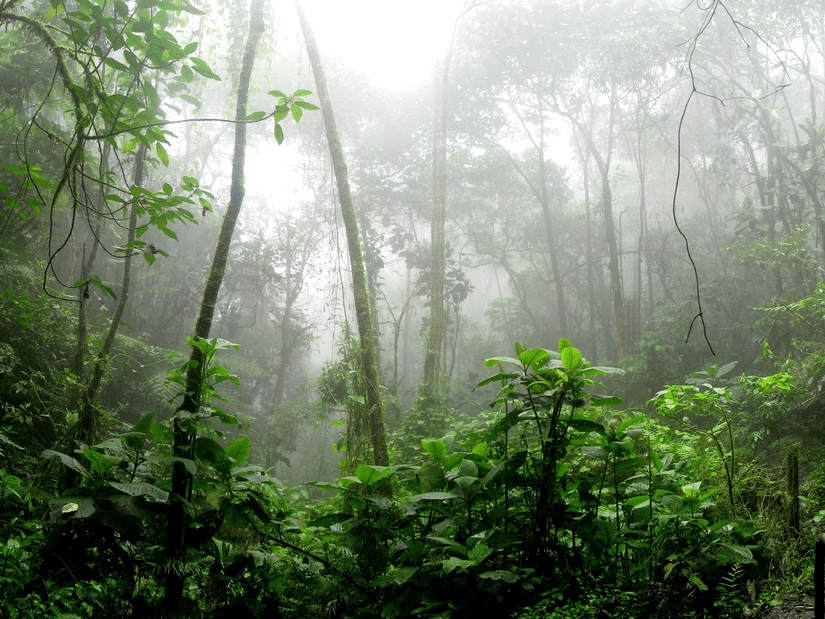
The forest comes alive with lush green canopies and a swollen Kabini River. Although access can be limited, the landscape is vibrant with bird calls, dense undergrowth, and a forest floor covered in mosses and ferns.
- Post-monsoon (October – February):
Wildlife viewing becomes easier as the canopy thins and animals gather in open areas, making it an ideal time to explore the forest.
- Flowering Season (January – May):
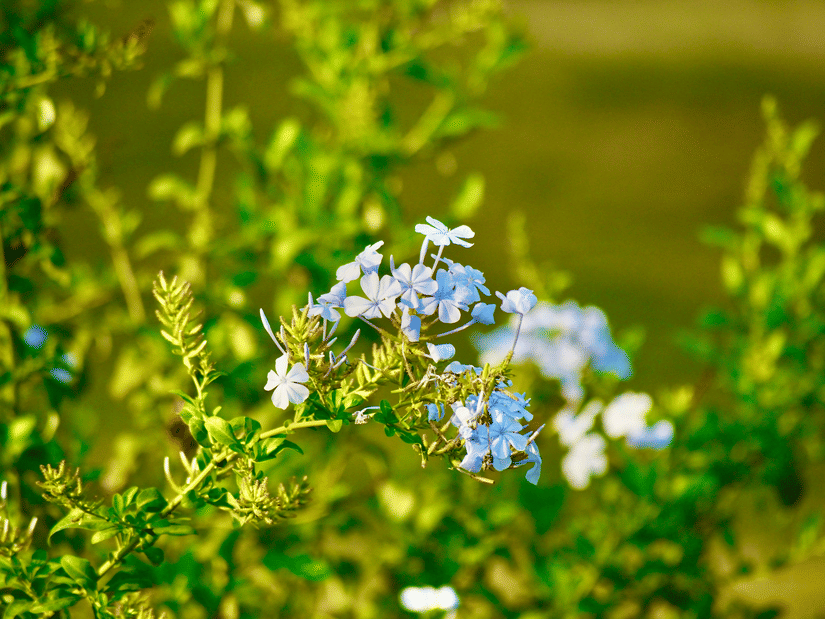
Trees and plants such as teak and Hiptage benghalensis bloom during this period, attracting pollinators and the wildlife that depend on them.
- Dry Season (April – May):
The forest takes on a stark beauty with dry grasses and bare trees, while the Kabini backwaters draw elephants, gaur, and occasionally tigers to the water’s edge.
A Haven of Remarkable Biodiversity
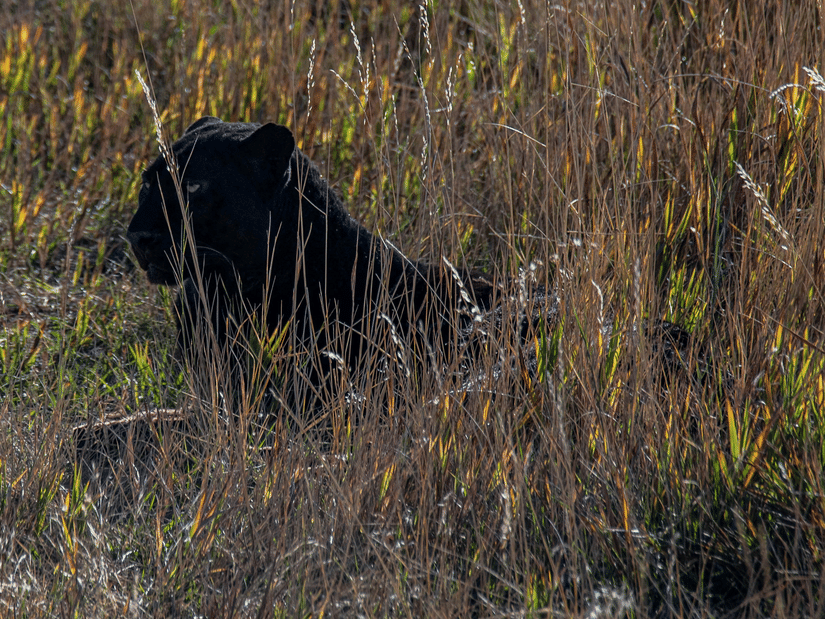
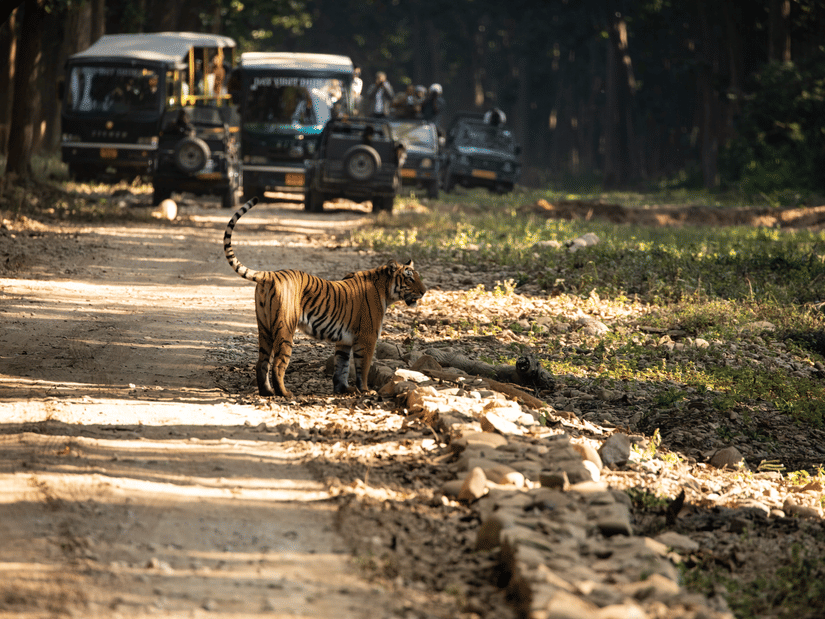
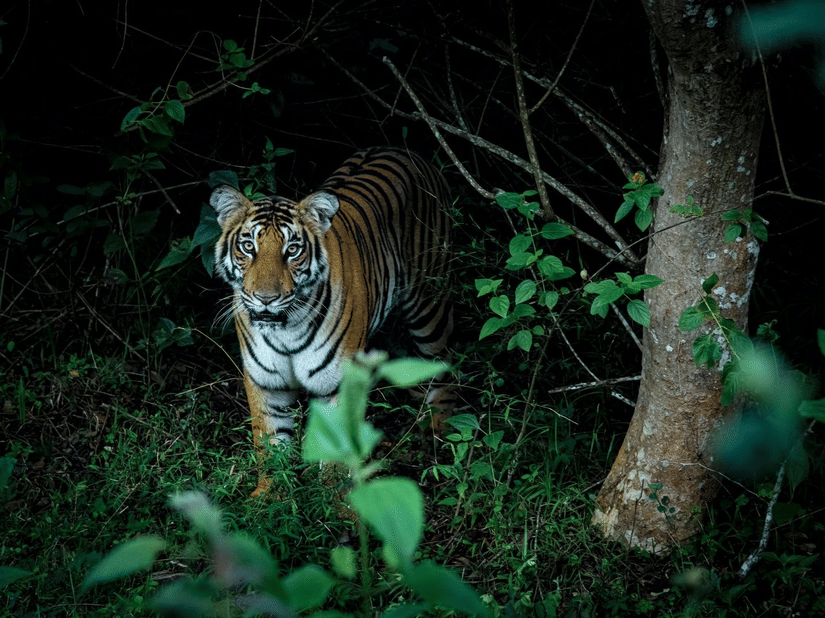
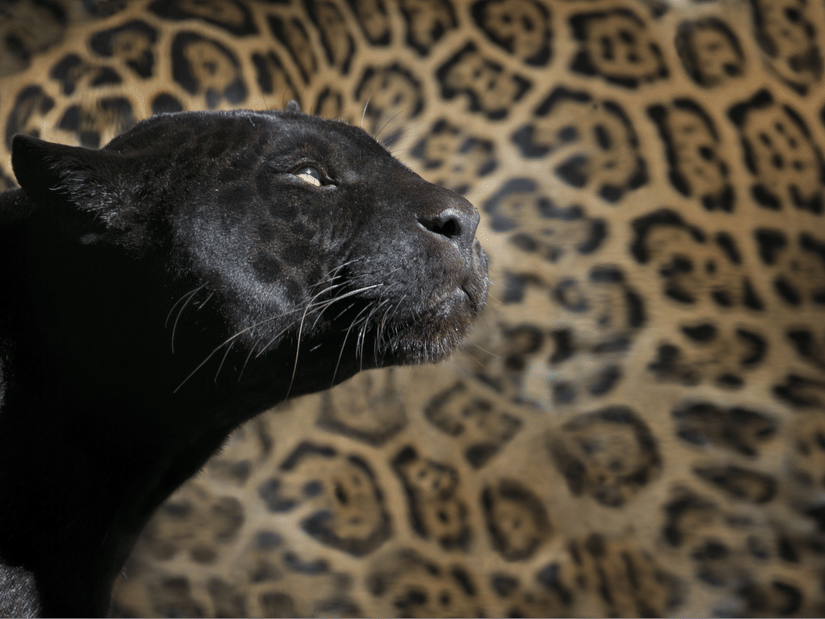
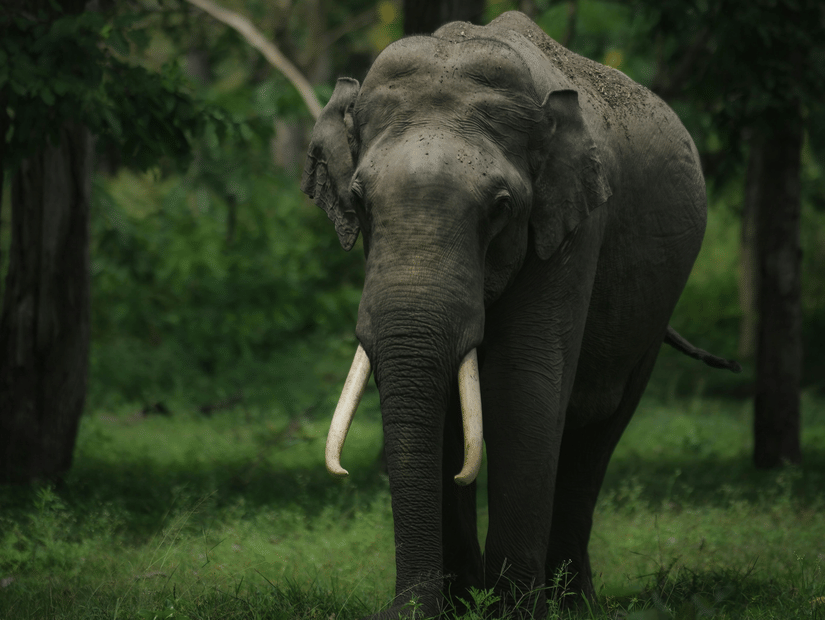
Kabini hosts one of Asia’s most concentrated populations of large mammals. The southeastern Nagarhole section, including Kakanakote, is home to one of the largest Asian elephant populations, drawn year-round to the Kabini River and backwaters. Tigers, leopards, black panthers, gaur, sloth bears, and Indian wild dogs (dholes) also inhabit the forest.
Avian life is extraordinary, with over 300 species recorded, including Malabar grey hornbill, crested serpent eagle, Malabar parakeet, and the endangered lesser adjutant stork. Riparian zones host kingfishers, cormorants, herons, and egrets, with migratory species arriving between October and March. Reptiles also thrive, from king cobras in the forest interiors to mugger crocodiles along riverbanks. The Nilgiri Biosphere Reserve supports around 80 reptile species and over 300 butterfly species, showing that Kakanakote’s ecological wonders go far beyond its iconic mammals.
Kakanakote’s Role in the Kabini Wildlife Corridor
Kakanakote’s importance extends far beyond its own boundaries. As part of the larger Kabini wildlife landscape, it forms a critical wildlife corridor linking Nagarhole National Park to Bandipur Tiger Reserve along the Kabini River, while also connecting to Wayanad Wildlife Sanctuary in Kerala.
This network of protected areas creates a vast and continuous habitat that allows wildlife to move freely across the region. Such connectivity is essential for wide-ranging species like tigers and elephants, which must travel between territories to find mates and access seasonal resources.
Situated at the heart of this corridor, Kakanakote plays a crucial role in maintaining the ecological balance of the Nilgiri Biosphere Reserve. Protecting it ensures that this landscape remains connected, resilient, and wild.
Refined Comfort at the Forest's Edge
To truly experience the forests and wildlife of Kabini, staying close to the wilderness makes all the difference.
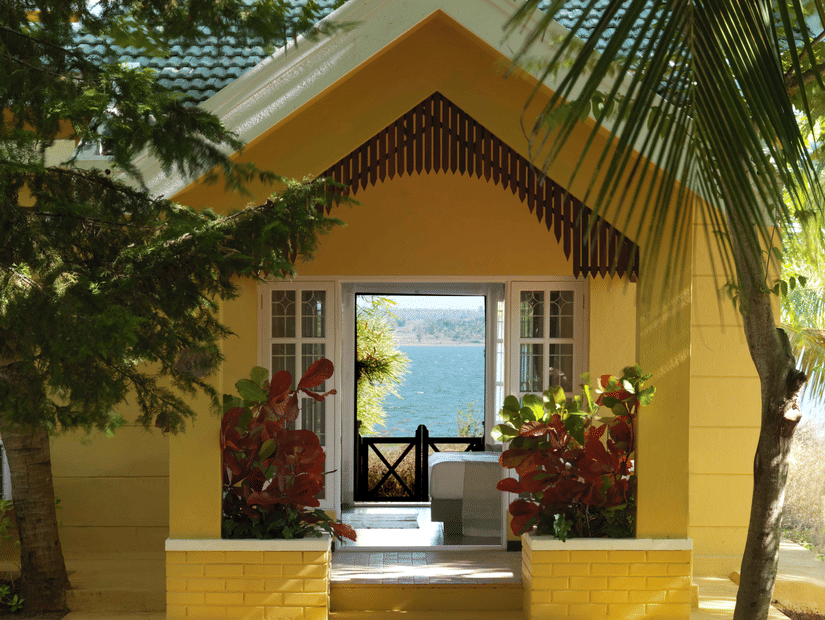
Perched gracefully on the banks of the Kabini River at Karapura, around 221 kilometres from Bengaluru and 71 kilometres from Mysore, The Serai Kabini offers the perfect base to explore this remarkable landscape. Blending rustic charm with modern elegance, the resort provides a serene retreat for families, couples, and groups seeking an immersive nature escape. We provide:
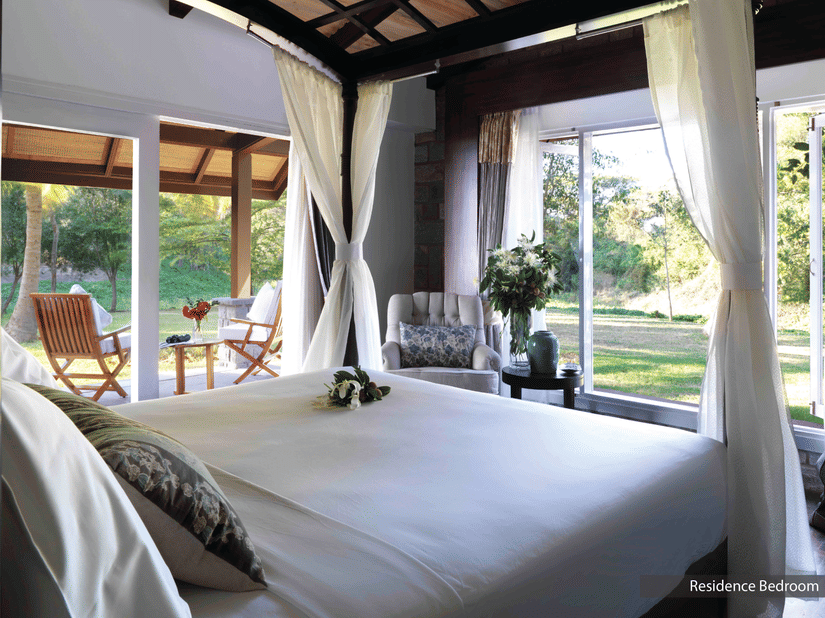
- Accommodation: Stay in well-appointed villas and cottages, including Waterfront Verandahs, Waterfront Villas, and The Residence, each with private sit-outs or verandahs overlooking tranquil backwaters, lush forests, or distant hills.
- Nature & Wildlife Experiences: Enjoy morning and evening safaris in Nagarhole National Park, nature walks, birdwatching trails, and boat or coracle rides along the Kabini River. Guests can also explore the landscape through kayaking on the backwaters and other outdoor experiences.
- Dining & Drinks: Savour a diverse range of international cuisines at our in-house restaurant, Wildgrass, prepared with fresh, locally sourced ingredients. The Outpost offers a relaxed setting for drinks and conversation.
- Wellness & Relaxation: Unwind at Oma Spa with professional massages, body scrubs, and rejuvenating therapies. Guests can also relax by the outdoor pool while enjoying views of the surrounding natural landscape.