Why Karnataka Stands Out for a Wildlife Safari
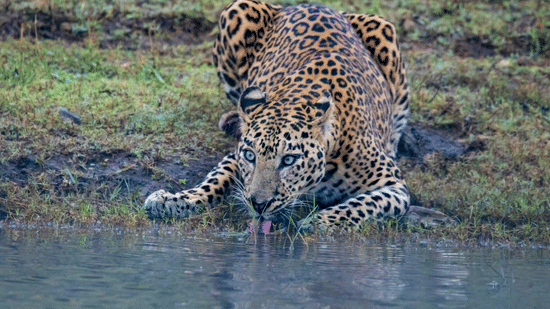
Karnataka sits at the confluence of the Western and Eastern Ghats, and that geography is the reason the state's forests hold the density of wildlife they do. The corridor between Bandipur, Nagarhole, Mudumalai, and Wayanad forms one of the largest contiguous tiger habitats in Asia, and the rivers that cut through it draw mammals in numbers you simply do not see elsewhere in southern India.
A forest safari in Karnataka here is not only about the big cat. The state holds Asia's largest population of elephants, healthy numbers of dhole, sloth bear, and Indian gaur, and over 500 bird species across its protected areas. For first-time safari travellers and seasoned wildlife photographers alike, the variety on offer is the draw.
Bandipur National Park
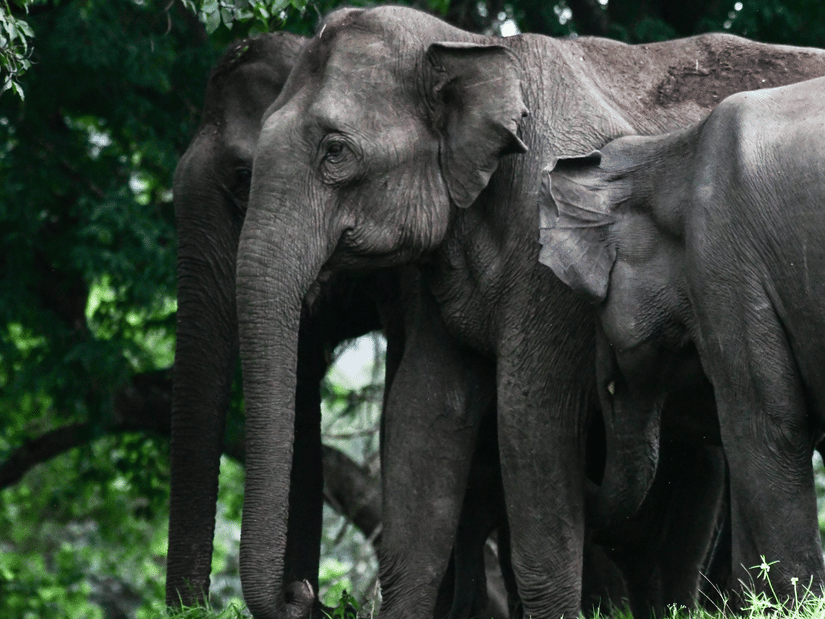
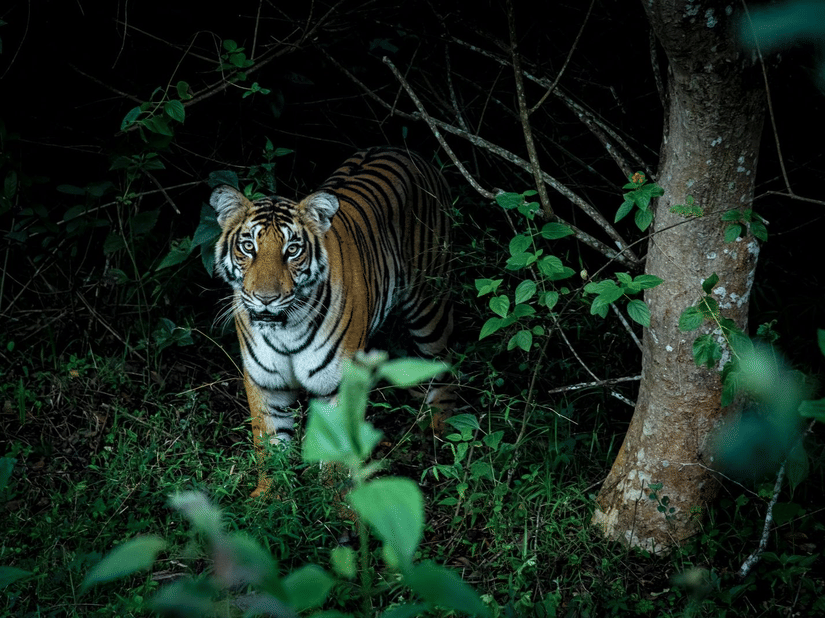
Bandipur is the flagship. Declared a national park in 1985 and protected under Project Tiger since 1973, the park covers around 874 sq. km in Chamarajanagar district, with the wider Bandipur Tiger Reserve including buffer zones taking the total to roughly 1,456 sq. km. It sits at the heart of the Nilgiri Biosphere Reserve. The dry deciduous forest here is open enough that sightings are frequent, and the tiger and elephant populations are among the strongest in southern India. Jeep and canter safaris run twice a day. Bandipur is the easiest reserve in the state to combine with Mysore and Ooty on a single trip.
Nagarhole National Park and the Kabini Backwaters
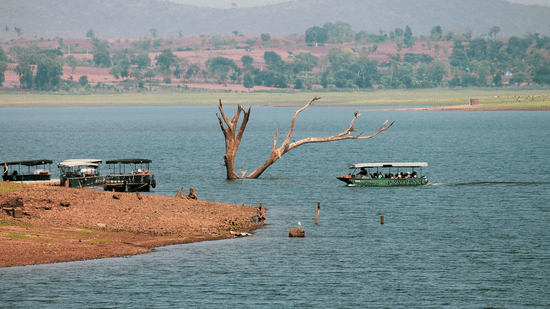
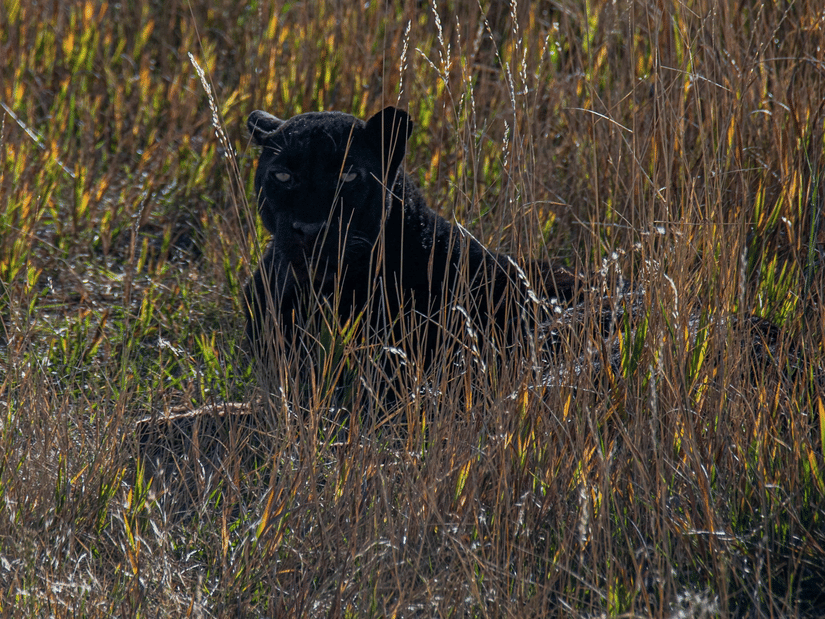
Nagarhole, also known as Rajiv Gandhi National Park, lies along the northwestern edge of the Nilgiri Biosphere. The southeastern stretch around Kabini is the most famous safari zone in the state, drawing herds of elephants to the backwaters in the summer months and gaining global recognition for repeated sightings of the black panther. Covering around 843.96 sq. km, the park runs both jeep safaris and a boat safari along the Kabini reservoir, which is one of the few places in India where you can watch wildlife from the water. Birdlife here is exceptional, with more than 300 species recorded.
Bhadra Wildlife Sanctuary
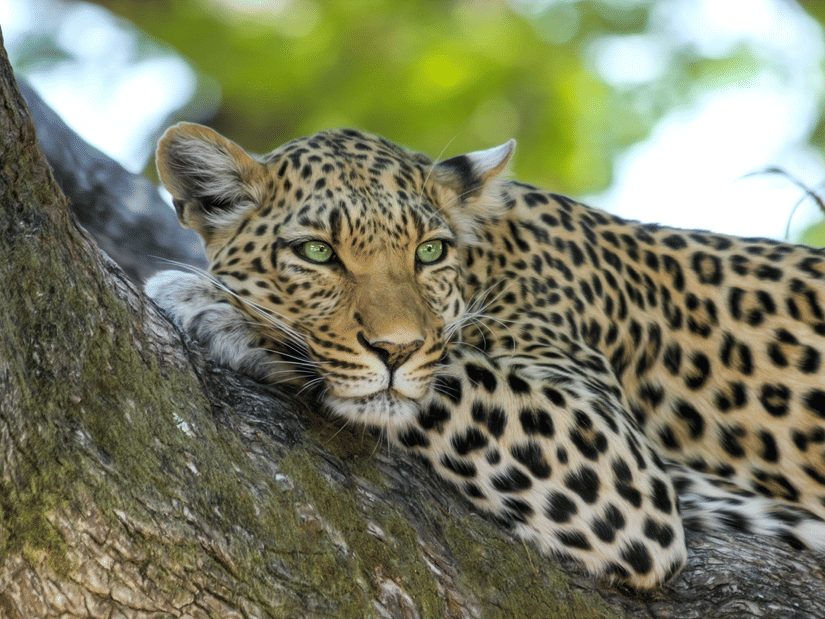
Bhadra is the quieter cousin of Karnataka's big-name reserves and is all the better for it. Tucked into the Western Ghats in Chikmagalur district, it was declared a Project Tiger reserve in 1998 and is known for low tourist density, dense evergreen cover and unhurried jeep, boat, and bus safaris. The terrain rolls through hills and along the Bhadra reservoir, while towering teak forests—including the centuries-old 32 m tall Jagara Giant—add to its timeless appeal. The park is home to tigers, leopards, gaur, sambar, and offers a good chance of spotting the Malabar giant squirrel. Travellers who want a jungle safari in Karnataka without crowds tend to head here.
Dandeli Wildlife Sanctuary
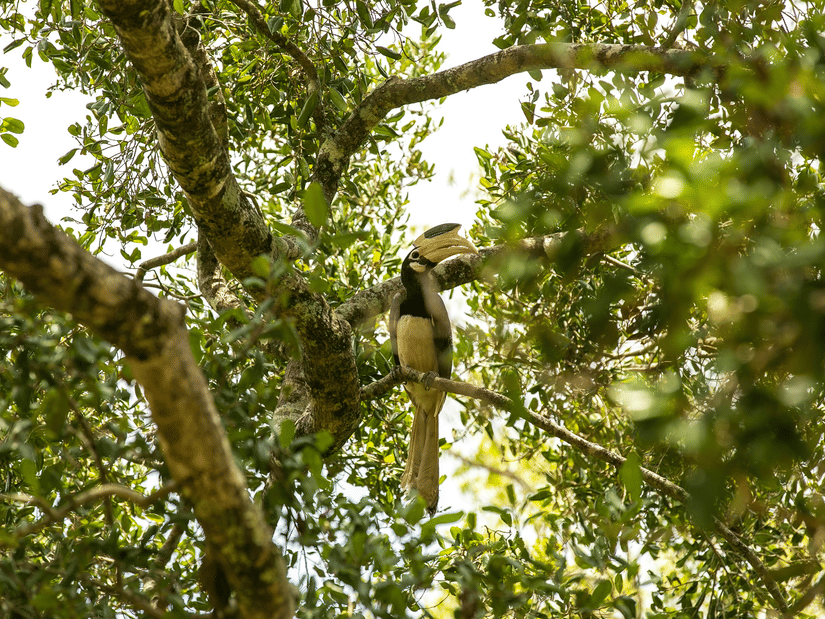
Dandeli, in Uttara Kannada district along the Karnataka-Goa border, is Karnataka's adventure-driven wildlife destination, where the Kali River weaves through dense forests and adds a sense of exhilaration to every visit. Here, jeep safaris are complemented by coracle rides, white-water rafting, and one of the country's finest birdwatching circuits. Spanning around 834.16 sq. km, the sanctuary forms part of the larger Dandeli-Anshi Tiger Reserve and supports an estimated 40 tigers along with leopards, elephants, gaur, and diverse wildlife. It is also a stronghold for the great hornbill and Malabar pied hornbill, whose calls resonate through the canopy. Rare black panther sightings have been reported here, adding an element of mystery to this remarkable wilderness.
BRT Tiger Reserve
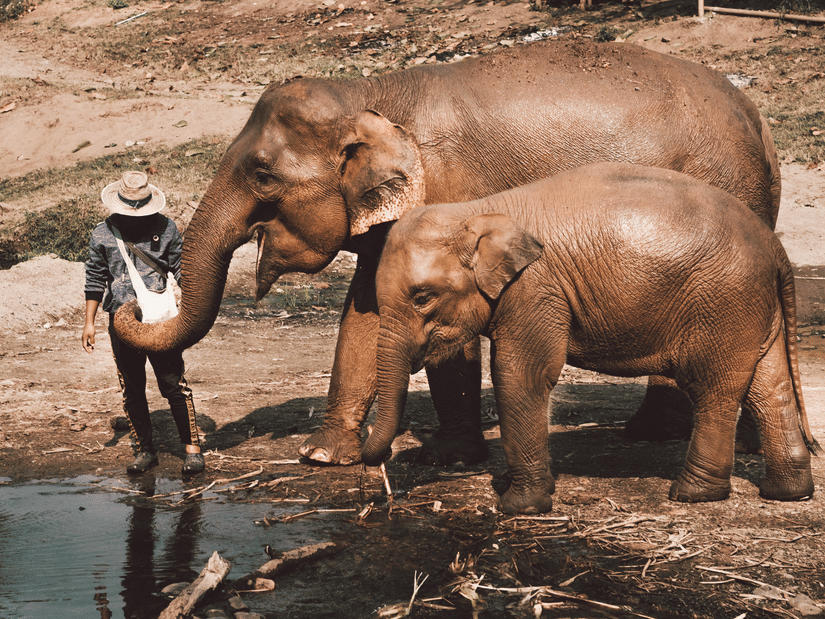
Biligiri Ranganatha Temple (BRT) Tiger Reserve, between Chamarajanagar and the Tamil Nadu border, is the only sanctuary in South India where the Eastern and Western Ghats meet. Named after the ancient Biligiri Ranganatha Swamy Temple perched on the edge of a precipice, the 539.52 sq. km reserve serves as a vital wildlife corridor, enabling gene flow between species across both mountain ranges. Rising to 5,091 ft. above sea level, the hills transition from scrub and dry deciduous forests to moist deciduous woodlands, shola forests, and high-altitude montane grasslands. This remarkable elevation change supports an exceptional diversity of wildlife, including mammals, reptiles, over 250 species of birds, and a wide variety of butterflies. Visitors can also watch local mahouts bathe elephants in a pond near the JLR K Gudi campus and enjoy panoramic views from a popular sunset viewpoint.
October to February: The cool, dry months bring the most comfortable weather for visiting. Visibility across the forests is good, vegetation remains moderate, and bird activity peaks as migratory species arrive. This is the most popular safari season for travellers.
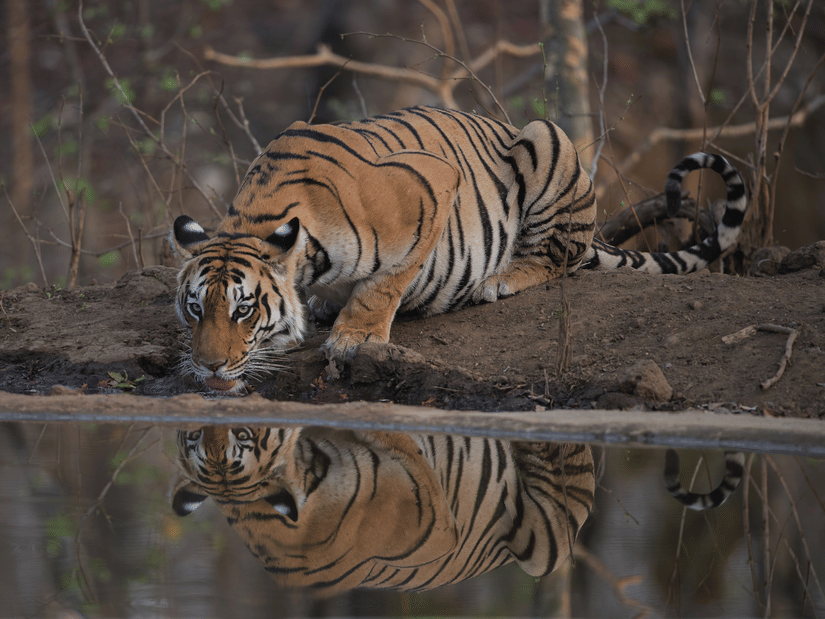
March to May: The summer months are, somewhat counterintuitively, the best time for big mammal sightings. As water sources shrink and the undergrowth thins, elephants and tigers gather around the remaining waterholes. Kabini is especially famous during this period for its large elephant congregations along the backwaters.
June to September: The monsoon transforms the forests into their greenest and most dramatic form, with rivers flowing at full strength. Bandipur and Nagarhole may close certain safari zones during heavy rainfall, while reserves such as Dandeli and Bhadra generally remain open. Wildlife sightings become more challenging, but the landscape is at its most spectacular.
March to May: The summer months are, somewhat counterintuitively, the best time for big mammal sightings. As water sources shrink and the undergrowth thins, elephants and tigers gather around the remaining waterholes. Kabini is especially famous during this period for its large elephant congregations along the backwaters.
June to September: The monsoon transforms the forests into their greenest and most dramatic form, with rivers flowing at full strength. Bandipur and Nagarhole may close certain safari zones during heavy rainfall, while reserves such as Dandeli and Bhadra generally remain open. Wildlife sightings become more challenging, but the landscape is at its most spectacular.
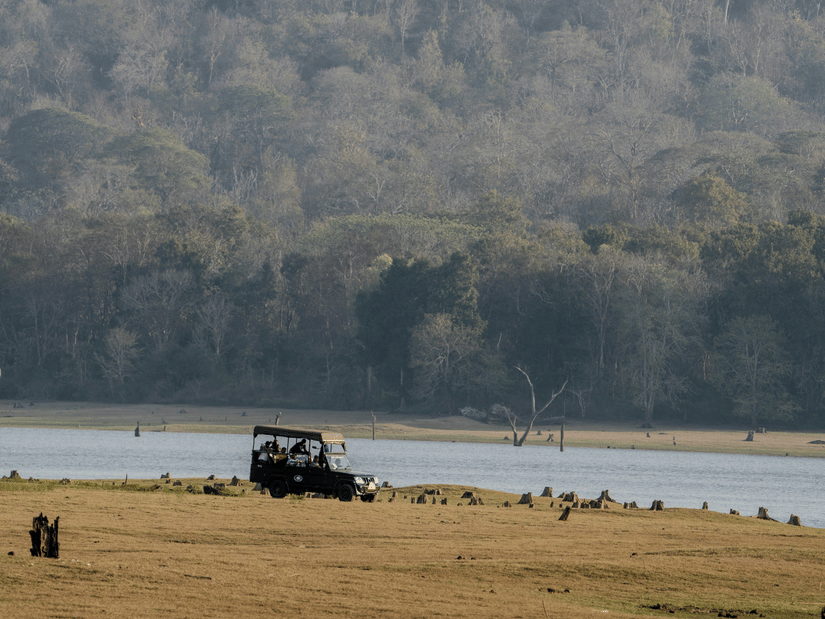
Jeep Safari: The most flexible format. A small open vehicle, a naturalist on board, 2 hours in the forest at first light or late afternoon. Available in every major reserve, the format is most likely to deliver a tiger sighting.
Canter Safari: An 18-seater open bus runs mainly in Bandipur and Nagarhole. Less mobile than a jeep but more accessible and well suited to families or travellers new to safaris.
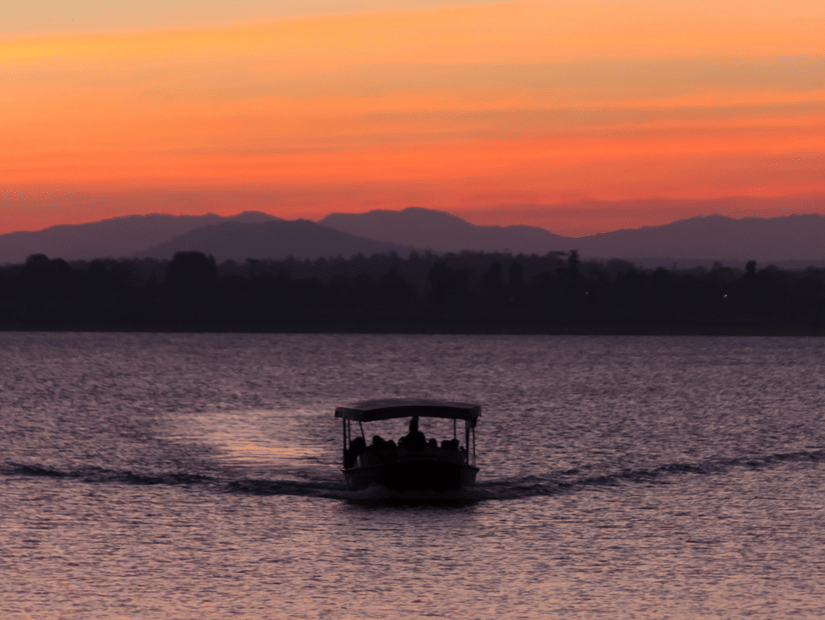
Boat Safari: Unique to Kabini. The Kabini reservoir reflects the forest line on both sides, and you watch elephants, gaur and crocodiles from the water. Particularly rewarding between March and May.
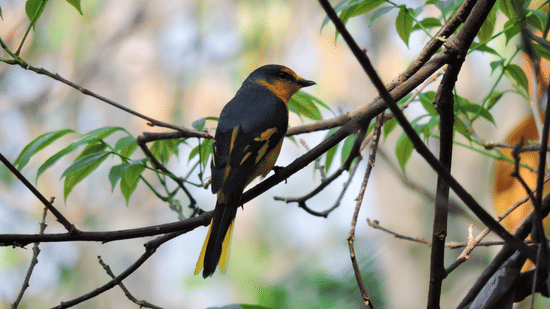
Birdwatching Walks: Karnataka holds over 500 bird species across its protected areas. Dandeli and Bhadra are the standout birding circuits, but every reserve rewards an early-morning naturalist-led walk.
Canter Safari: An 18-seater open bus runs mainly in Bandipur and Nagarhole. Less mobile than a jeep but more accessible and well suited to families or travellers new to safaris.
Boat Safari: Unique to Kabini. The Kabini reservoir reflects the forest line on both sides, and you watch elephants, gaur and crocodiles from the water. Particularly rewarding between March and May.
Birdwatching Walks: Karnataka holds over 500 bird species across its protected areas. Dandeli and Bhadra are the standout birding circuits, but every reserve rewards an early-morning naturalist-led walk.
Booking, Permits, and Responsible Wildlife Tourism
Safari slots in Karnataka's tiger reserves fill quickly, particularly on weekends and during the summer wildlife peak. Carry a photo ID for every guest and arrive at the safari gate at least 30 minutes before departure.
Inside the forest, the rules are simple and worth following. Stay seated, keep your voice low, never feed or touch wildlife, and do not ask the driver to leave the marked trail. Single-use plastic is banned across most protected areas in Karnataka. The forest is the animals' home, and the most rewarding safari experience comes from watching them quietly without disturbing their natural behaviour.
The Serai Bandipur: Your Gateway to Bandipur Tiger Reserve
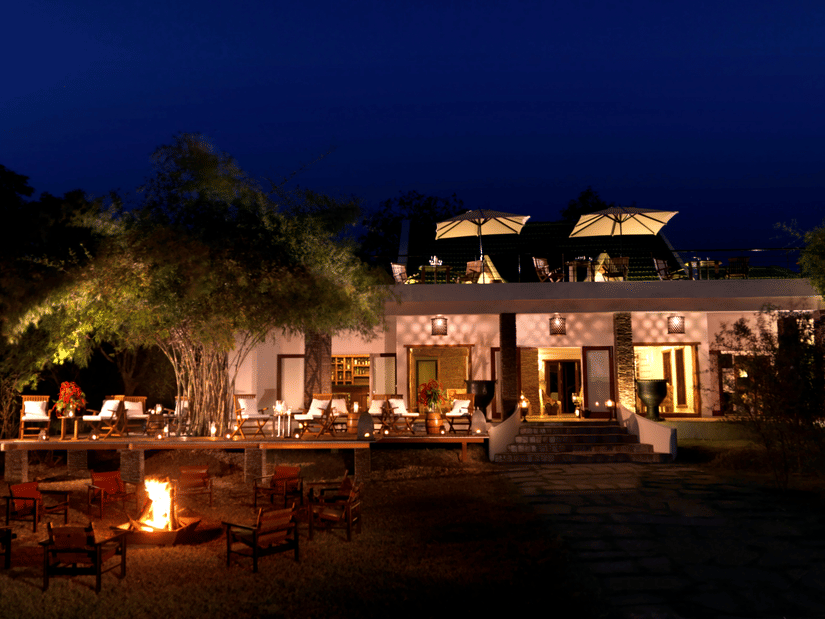
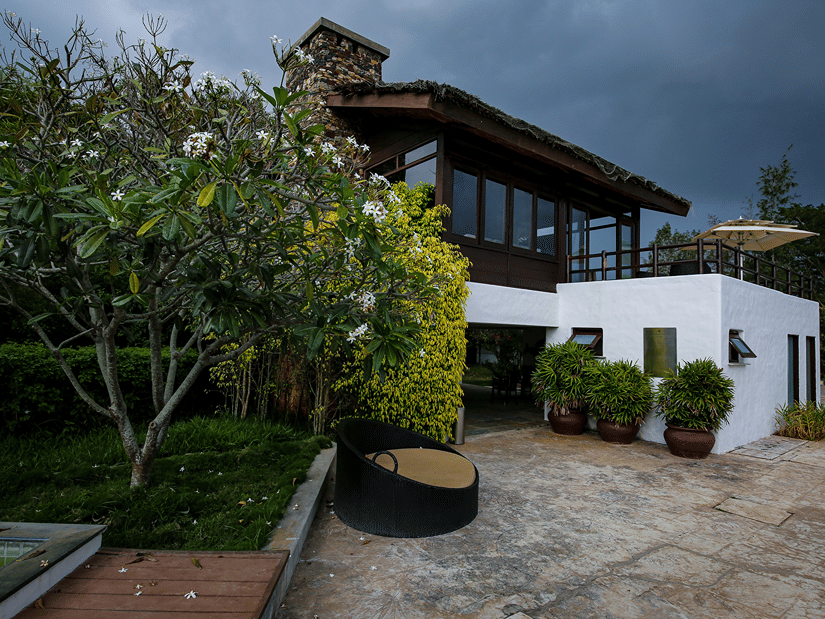
The Serai Bandipur sits on the edge of Bandipur Tiger Reserve, where 24 luxury residences overlook the Nilgiri Hills and the surrounding wilderness. Mornings begin with the anticipation of a jeep safari into the reserve, while quieter hours can be spent on a naturalist-led walk through the resort's own grounds, discovering the smaller details of the forest ecosystem. If your journey is centred on Bandipur and the wildlife-rich route between Mysore and Ooty, this is an ideal place to stay and experience the landscape at an unhurried pace.
The Serai Kabini: A Stay Along the Legendary Backwaters
Set on the banks of the Kabini backwaters, The Serai Kabini offers 20 riverside residences overlooking one of India's most celebrated wildlife destinations. Its location places you just minutes from both the jeep safari entrance to Nagarhole National Park and the boat safaris that have made Kabini famous. Whether you hope to spot large elephant herds, elusive predators such as the black panther, or simply watch wildlife gather along the water's edge, the resort provides a natural base for exploring the region.